Leave Your Message

China Top 10 Automotive Button Mold Manufacturers?

China’s automotive supply chain depends on small parts that must perform consistently. Automotive button mold production is one example. A dashboard switch may look simple, yet its mold controls fit, surface texture, tactile response, and service life.

John Bozzelli, an injection-molding specialist, has stated, “The mold is the heart of the injection molding process.” That principle matters here. A poorly designed cavity can create flash around a button edge, uneven grain, sink marks, or weak snap features. These defects may appear after thousands of cycles. They can also increase trimming, inspection, and replacement costs.

This introduction presents ten Chinese manufacturers associated with automotive button mold production. The selection should not rely on factory size alone. Practical evidence matters more. We will examine tooling experience, CNC and EDM capability, steel selection, mold-flow analysis, tolerance control, polishing quality, and after-sales support. Prototype speed also deserves attention. So does communication.

No ranking is permanently perfect. Supplier strengths change with equipment, engineers, and project focus. Some manufacturers may excel at high-volume dashboard parts, while others handle textured interior components better. Buyers should verify certifications, sample parts, inspection reports, and recent automotive references before making a decision.

Small details reveal competence. Check the parting line. Examine the button’s return feel. Ask how the supplier manages venting and wear. These checks may seem basic. They often prevent expensive surprises.
China Top 10 Automotive Button Mold Manufacturers?

What Are Automotive Button Molds and Why Do They Matter?

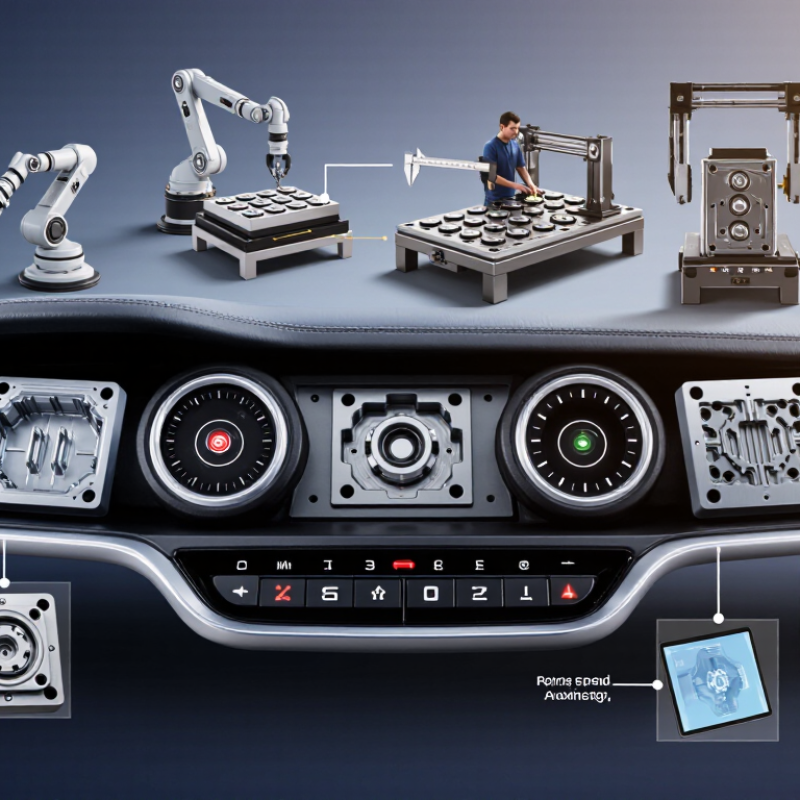
Automotive button molds shape the small controls used on dashboards, steering wheels, doors, and center consoles. They create the button’s surface, edges, symbols, and mounting features. A mold is more than a steel cavity. It controls how accurately every button fits and feels.

During production, molten plastic enters narrow channels and cools under pressure. Tiny errors can leave sink marks, sharp edges, uneven textures, or visible flow lines. These defects may seem minor. Drivers notice them quickly. Good mold design considers material shrinkage, wall thickness, cooling balance, and safe ejection. It also supports consistent cycle times, which helps control cost without weakening the part.

From practical quality checks, tactile feedback deserves equal attention. A button should press cleanly, return smoothly, and resist repeated use. Surface grain must remain stable after thousands of cycles. Toolmakers usually test samples, measure critical dimensions, and inspect parts under direct light. A perfect first trial is uncommon. Adjustments to vents, gates, or polishing are often necessary. This is where technical experience matters. A supplier may offer advanced equipment, yet still need stronger process discipline. Buyers should review mold steel, inspection records, maintenance plans, and trial results. Reliable automotive button molds come from repeatable engineering, not attractive promises.

China Top 10 Automotive Button Mold Manufacturers? — What Are Automotive Button Molds and Why Do They Matter?

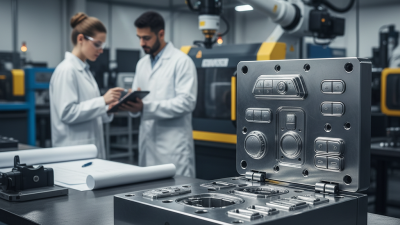
Automotive button molds are precision injection molds used to produce dashboard switches, steering-wheel controls, climate-control buttons, window switches, and other interior control components. Their quality affects button fit, tactile feedback, surface appearance, durability, and production consistency.

The chart presents commonly used automotive button mold reference benchmarks rather than company or brand performance data. Actual values vary according to resin type, part geometry, surface finish, cavity design, and production requirements.

How to Evaluate Chinese Automotive Button Mold Manufacturers

When evaluating China’s top automotive button mold manufacturers, do not rank suppliers by price alone. China Association of Automobile Manufacturers reported 31.28 million vehicle units produced in 2024. This scale requires stable tooling, repeatable quality, and fast engineering support. A capable supplier should understand small-part risks, including sink marks, flash, uneven texture, and button-force variation.

Request evidence from factory audits, not only presentations. Check IATF 16949 certification, process-flow documents, steel certificates, CMM inspection records, and mold-trial videos. Review the supplier’s experience with sliders, lifters, inserts, and polished cosmetic surfaces. Ask for dimensional reports from several production samples. One perfect sample proves little. A stronger supplier shows capability data across repeated trials. CAAM also reported 31.44 million vehicle sales and 5.86 million exports in 2024. These figures highlight the need for durable molds and responsive after-sales service.

Tips: Compare cavity balance, cycle-time targets, expected mold life, spare-part plans, and PPAP support. Confirm who owns design changes and how quickly corrections are documented. Visit the workshop if possible. Look for organized storage, labeled steel, preventive maintenance records, and operators who can explain inspection results. A low quotation may hide weak cooling design or limited trial capacity. I have found that communication quality often predicts delivery performance, although it is not a perfect measure. Allow room for technical uncertainty, and validate every claim through samples, records, and a controlled mold trial.

China’s Top 10 Automotive Button Mold Manufacturers

China’s Top 10 Automotive Button Mold Manufacturers

China’s top automotive button mold manufacturers are usually judged by more than factory size. A capable supplier should understand dashboard switches, steering-wheel controls, and compact door-panel buttons. Their engineers must manage tight tolerances, textured surfaces, and repeated mechanical pressure. In practical evaluations, the strongest ten candidates often show stable CNC machining, experienced mold designers, and controlled trial production.

Look for workshops with inspection records, mold-flow analysis, and clear steel selection procedures. A reliable manufacturer can explain gate positions, cooling channels, and ejection marks without hiding technical details. Ask for sample measurements from button caps and functional tests after repeated pressing. Small defects matter. A rough edge can affect touch comfort, while uneven texture may weaken the interior appearance. Production teams should also provide maintenance plans and spare inserts.

Price still influences purchasing decisions, but low quotations can conceal slower repairs or weaker mold steel. This is where many comparisons become imperfect. A supplier may perform well on a simple button mold but struggle with illuminated symbols or multi-material parts. Factory visits help reveal practical conditions, including machine cleanliness, storage methods, and operator training. We should also question optimistic delivery dates. Real projects change after testing, and a dependable manufacturer records those changes instead of pretending the first design was final.

China Top 10 Automotive Button Mold Manufacturers? - China’s Top 10 Automotive Button Mold Manufacturers
No. Evaluation Dimension Relevant Industry Data Why It Matters for Automotive Button Molds Recommended Verification
1 Mold Steel Selection Common choices include P20, 718, 2316, H13 and S136 stainless tool steel. Hardened steels are generally selected for high-volume production and wear resistance. Automotive buttons require stable dimensions, polished surfaces and resistance to repeated injection cycles. Request the steel grade, hardness range, material certificate and heat-treatment record.
2 Typical Cavity Configuration Button molds commonly use 1, 2, 4, 8 or more cavities, depending on part size, annual volume and molding-machine capacity. A suitable cavity count balances productivity, filling consistency, mold cost and maintenance requirements. Review the approved mold layout, cavity balance analysis and projected cycle output.
3 Dimensional Precision Precision mold components may be manufactured within several hundredths of a millimeter, while final part tolerances depend on resin shrinkage, geometry and process control. Button travel, assembly fit, illumination alignment and tactile performance depend on repeatable dimensions. Check the dimensional inspection report and the agreed drawing tolerance standard.
4 Surface Finish Capability Mold finishes may range from standard machining marks to fine polishing, texture etching and mirror-polished optical surfaces. Visible automotive buttons often require consistent gloss, matte texture, grain definition or light-transmitting surfaces. Approve texture samples, polishing standards and first-article surface comparison panels.
5 Gate and Runner Design Cold runners, hot runners, pin gates, edge gates and submarine gates are commonly used according to part geometry and cosmetic requirements. Gate location affects weld lines, vestige size, filling balance, appearance and post-molding finishing work. Review the mold-flow report, gate location and proposed method for gate vestige control.
6 Compatible Materials Automotive button components may use ABS, PC, PC/ABS, POM, PA, PMMA and other engineering or appearance-grade thermoplastics. Material selection influences chemical resistance, heat resistance, impact strength, shrinkage and surface appearance. Confirm resin specifications, molding temperature range and compatibility with coatings or inserts.
7 Insert and Overmolding Support Button molds can be designed for metal inserts, transparent windows, decorative films, silicone components and multi-material overmolding. Integrated inserts and multi-material structures are used for illumination, mounting, electrical contact and improved tactile feel. Evaluate insert-positioning accuracy, operator loading method and automation interfaces.
8 Cooling and Cycle Stability Conformal or optimized cooling channels can improve temperature uniformity compared with poorly balanced conventional layouts. Stable cooling helps reduce warpage, sink marks, cycle variation and dimensional drift across production batches. Request cooling-circuit drawings, temperature analysis and measured cycle-time data during trials.
9 Mold Trial and Validation A professional validation process normally includes T0 or T1 trials, dimensional inspection, appearance evaluation, process adjustment and final approval samples. Early validation identifies short shots, flash, weld lines, air traps, ejection marks and assembly problems before mass production. Review trial reports, approved samples, defect records and corrective-action documentation.
10 Maintenance and Serviceability Replaceable wear components, standardized spare parts, accessible cooling lines and documented maintenance schedules are standard indicators of serviceable mold design. Automotive production requires predictable uptime, fast repair and consistent part quality over the mold's service life. Request the preventive-maintenance plan, spare-parts list, mold history sheet and warranty terms.

Key Differences in Technology, Quality, and Production Capacity

China Top 10 Automotive Button Mold Manufacturers?

Technology separates capable mold makers from ordinary workshops. Automotive button molds require precise textures, stable ejector movement, and clean parting lines. A few microns can affect touch feel and panel appearance. High-speed CNC machining, EDM, 3D scanning, and mold-flow analysis reduce these risks. However, digital tools do not replace experienced adjustment. That lesson is often underestimated.

QUALITY SYSTEMS Quality systems matter more than attractive samples. IATF 16949-based controls should cover steel certificates, electrode wear, dimensional inspection, and traceability. PPAP records, capability studies, and repeated trial reports reveal production discipline. OICA reported 93.5 million motor vehicles produced worldwide in 2023. This scale increases pressure for consistent molds and fast maintenance. Deloitte’s 2024 Global Automotive Supplier Study also highlights continued cost and investment pressure across the supply chain.

Capacity is not simply factory size. Check the number of machining centers, skilled shifts, spare equipment, and simultaneous projects. A supplier may promise short delivery, yet outsource polishing during peak periods. That can weaken texture consistency. Ask for realistic cycle-time records, trial schedules, and after-sales response data. One weakness remains difficult to measure: communication quality. Delayed engineering feedback can cost more than a higher quotation. A practical audit should compare technology, defect history, inspection evidence, and actual monthly output, not only catalog claims.

How to Choose the Right Automotive Button Mold Supplier

Choosing among China’s top automotive button mold manufacturers requires more than comparing prices. The right supplier should understand button geometry, surface texture, draft angles, and repeated press cycles. Ask for material certificates, dimensional inspection reports, and samples from similar projects. A reliable manufacturer will explain mold steel selection, cooling design, expected tool life, and maintenance needs in clear language. Vague promises are warning signs.

Tips: Prepare a detailed drawing before requesting quotations. Include resin type, color, texture, tolerance, annual volume, and testing requirements. Check whether the supplier performs mold flow analysis and trial molding in-house. Request video evidence or an independent inspection when an on-site visit is impossible. Compare the complete cost, not only the initial tooling fee. Cheap tools can become expensive through flash, sink marks, or unstable button travel.

Communication also matters. Automotive button molds often need small adjustments after the first trial, so confirm response times and engineering support. Review the supplier’s quality system, measurement equipment, production records, and customer references. Clarify ownership of drawings, replacement inserts, delivery terms, and after-sales service in writing. No supplier is perfect. I once underestimated the value of early tolerance discussions; that delay affected assembly and required extra modifications. A careful selection process should leave room for honest technical disagreement, not just fast agreement.