Top Trends in Automotive Connector Mold for 2026 What to Know?
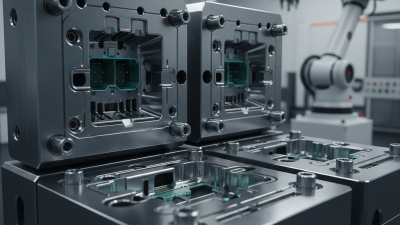
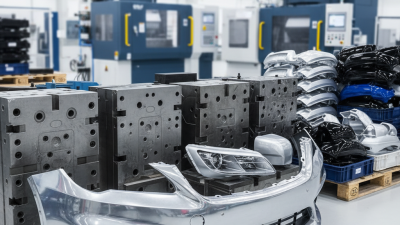
The automotive industry is evolving rapidly, with technology driving significant changes. One crucial aspect of this evolution is the Automotive Connector Mold. These molds play a vital role in ensuring reliable connections within vehicles, impacting everything from performance to safety.
As we approach 2026, understanding the trends in Automotive Connector Mold becomes increasingly important. Manufacturers are focusing on developing more durable materials to meet stringent safety standards. They are also exploring innovative designs that improve efficiency and reduce production costs. Budget constraints and environmental standards necessitate careful reflection on existing approaches.
The future may not be as straightforward as it seems. Complex supply chains and changing regulations could pose challenges. It’s essential to stay informed and adapt proactively. A detailed understanding of Automotive Connector Mold will help industry players navigate these uncertainties. Ensuring quality in design and production remains paramount in this dynamic landscape.
Emerging Materials in Automotive Connector Mold Manufacturing for 2026
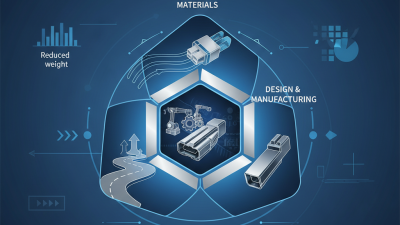
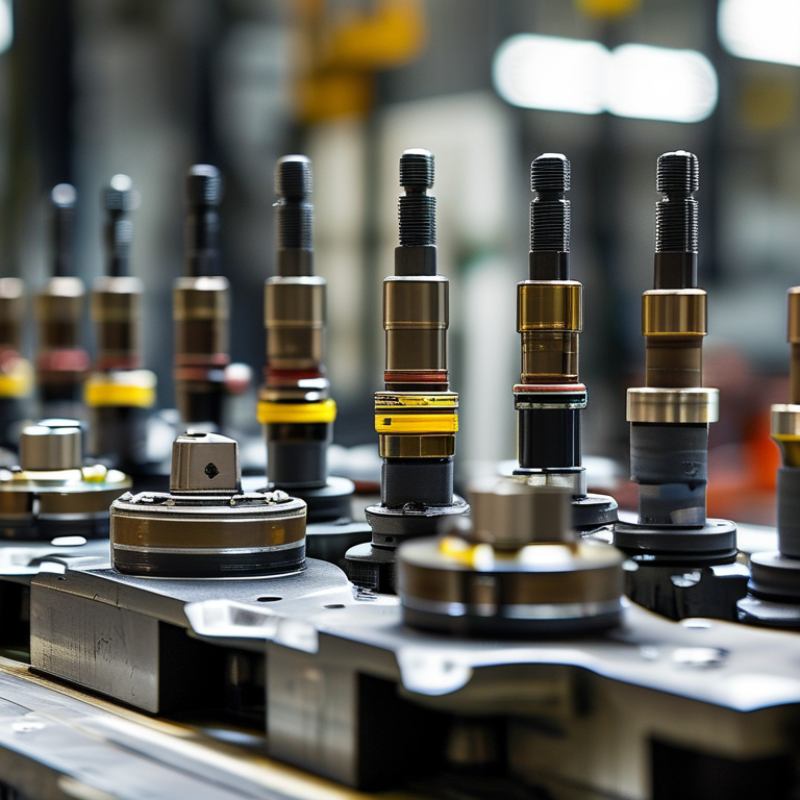
In 2026, the automotive connector mold industry is set for exciting advancements. Emerging materials will play a crucial role in this transformation. Lightweight composites and bio-based plastics are gaining traction. These materials promise enhanced performance and sustainability. They can significantly reduce the overall weight of vehicles, benefiting fuel efficiency and emissions.
One notable trend is the use of thermoplastics. These materials offer flexibility and durability. They can withstand harsh conditions found in automotive environments. Additionally, they facilitate faster production cycles. However, ensuring the quality of these new materials remains a challenge. Manufacturers must invest in testing processes to verify their reliability.
Tips: Always consider the lifecycle of materials when selecting components. Think about recycling options and their environmental impact. Engaging with suppliers who prioritize innovation and sustainability can make a big difference. This approach not only enhances your product but also supports a greener industry direction. The transition to new materials might require a learning curve. It's essential to be open to adjustments and improvements.
Market Demand Analysis for Automotive Connectors and Molds By 2026
The automotive connector market is poised for significant growth by 2026. Industry forecasts suggest rising demand, driven by increasing vehicle production and the shift toward electric vehicles. The market is expected to reach USD 25 billion by 2026, reflecting a compound annual growth rate (CAGR) of around 8%. Enhanced connectivity requirements are pushing vehicle manufacturers to invest considerably in advanced connector technologies.
Key trends include the adoption of lightweight materials and innovative molding techniques. As vehicles become more sophisticated, connectors must meet higher performance standards. Research indicates that over 60% of automotive components will rely on advanced connectors in the next five years. This evolution prompts manufacturers to consider materials that are both durable and lightweight, resulting in better fuel efficiency and reduced emissions.
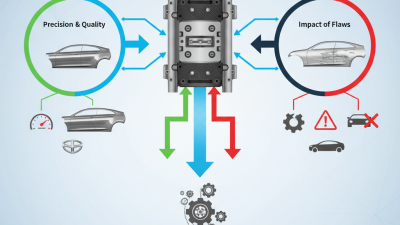
However, challenges remain. The rising complexity of automotive electronics can complicate connector design and production. Additionally, ensuring quality control in manufacturing is critical. Studies show that issues in connector performance can lead to significant recalls. Thus, achieving reliability is essential for companies aiming to thrive in this competitive landscape. As the automotive industry evolves, so too will the demands on connector molds and technology.
Technological Innovations Influencing Automotive Connector Mold Design
The automotive industry is undergoing significant changes, especially in connector mold design. Technological innovations are reshaping how manufacturers approach mold creation. Advanced materials are becoming more common, enhancing durability and performance. These materials can withstand higher temperatures, which is crucial for modern vehicles.
Another trend is the integration of smart technologies. Sensors and IoT capabilities are now being embedded in connectors. This adds functionality but also complexity. Manufacturers must ensure reliability while incorporating these advanced features. Testing becomes more crucial to prevent failures in real-world applications.
Sustainability is a growing concern. Eco-friendly materials are being explored, yet challenges remain. Balancing performance and environmental impact is essential. Innovations are promising but require careful implementation. The future of automotive connector mold design is about blending technology with responsibility.
Top Trends in Automotive Connector Mold for 2026 What to Know?
| Trend |
Description |
Impact on Design |
Material Innovations |
Expected Outcomes |
| Miniaturization |
Reducing the size of connectors for improved space efficiency. |
Enhances vehicle design flexibility and reduces weight. |
Use of advanced polymers and composites. |
Increased fuel efficiency and optimized space usage. |
| Smart Connectors |
Integration of sensors and communication technology. |
Facilitates real-time monitoring of automotive systems. |
Smart materials that can adapt to conditions. |
Improved safety and diagnostics capabilities. |
| Sustainability Focus |
Emphasis on eco-friendly materials and processes. |
Drives new manufacturing practices and reduced carbon footprint. |
Biodegradable and recyclable materials. |
Enhanced corporate responsibility and consumer appeal. |
| Higher Voltage Capacities |
Connectors designed for electric and hybrid vehicles. |
Enables compatibility with high-power automotive applications. |
Specialized conductive materials and insulation technologies. |
Meeting the demands of next-gen electric vehicles. |
| Customization |
Tailored solutions for specific automotive applications. |
Increases application versatility and performance. |
Variable designs based on customer requirements. |
Greater customer satisfaction and enhanced functionality. |
Sustainability Trends in Automotive Connectors: Biodegradable Options Ahead
As the automotive industry evolves, sustainability is at the forefront of connector design. Biodegradable options are gaining traction. This trend reflects a growing commitment to reducing environmental impact. Manufacturers are exploring materials that decompose naturally over time. These alternatives aim to address the substantial waste generated by traditional connectors.
Tips: Consider using connectors designed for easier recycling. Look for materials that break down without toxic residues. Biodegradable connectors can significantly lessen landfill contribution.
Innovative designs are being tested to ensure durability. The challenge remains: balancing performance with sustainability. The industry must find the right materials that do not compromise functionality. Testing these biodegradable options will reveal their true potential in various conditions.
Tips: Evaluate the lifecycle of each connector. Determine how they perform under stress. This helps identify long-lasting solutions and prevent premature failures.
Future of Smart Automotive Connectors and Their Mold Processes in 2026
The evolution of smart automotive connectors is shaping the future of vehicle technology. By 2026, advanced mold processes will play a crucial role in their development. These connectors are essential for seamless communication between electronic components, enhancing functionality and safety.
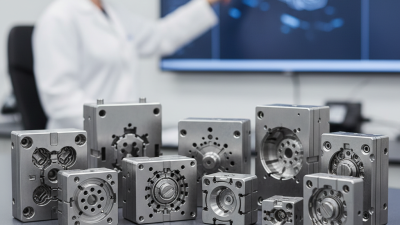
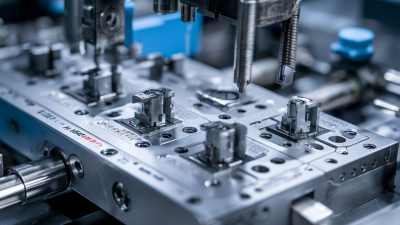
Mold processes for automotive connectors will focus on precision and material innovation. The demand for lightweight and durable materials is rising. Engineers must consider design intricacies and the environmental impact of chosen materials. Smaller dimensions mean higher complexity in molding. Adapting to these changes requires expertise in both engineering and application.
Tips: Pay attention to the reliability of mold materials. Testing prototypes under various conditions is essential. Ensure that connections are robust and can withstand harsh environments. Always consider the longevity of your designs; longevity is key in automotive applications. Engage with experts to refine your processes.