Top Electronic Mold Suppliers in China for Global Buyers?
China has emerged as a key player in the global Electronic Mold industry. With advancements in technology and manufacturing, many buyers look to China for high-quality electronic molds. Expert John Wu, a leading figure in mold design, once said, “The future of the Electronic Mold industry lies in innovation and collaboration.”
Chinese suppliers are known for their ability to deliver precision molds at competitive prices. However, navigating this market can be challenging. The diversity of suppliers means quality can vary significantly. Buyers must conduct thorough research to ensure they choose reliable partners.
The Electronic Mold landscape is evolving. New materials and techniques are entering the market, making the selection process more complex. Emerging trends, like automation, are shaping the future. It’s vital for global buyers to stay informed about these changes. Balancing cost and quality is essential for success in this dynamic environment.
Overview of the Electronic Mold Industry in China
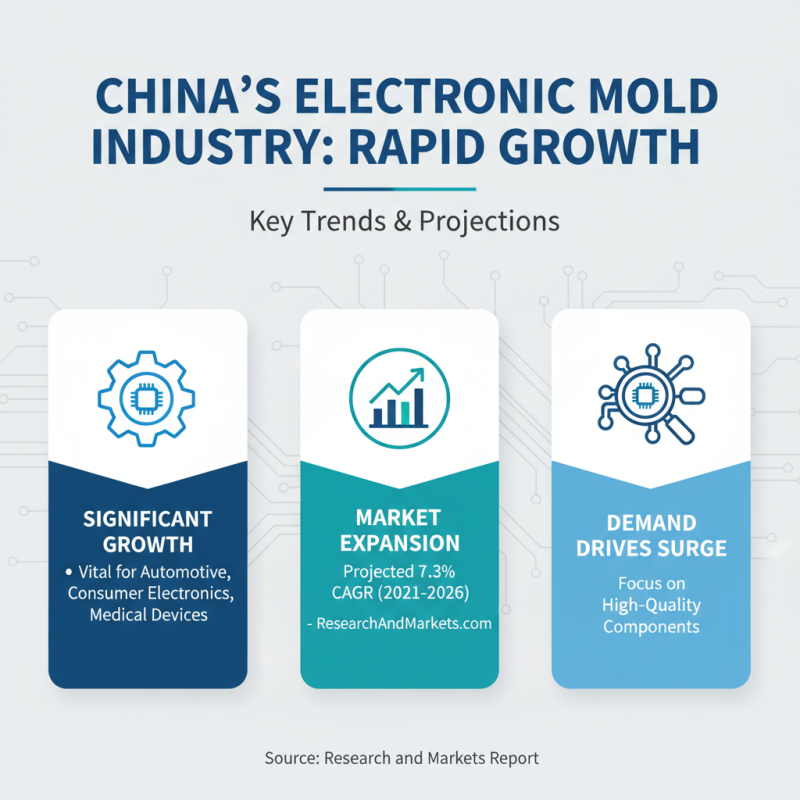
The electronic mold industry in China has seen significant growth in recent years. This sector is vital for various applications, including automotive, consumer electronics, and medical devices. According to a report by Research and Markets, the overall market for molds in China is projected to grow at a CAGR of approximately 7.3% from 2021 to 2026. This surge is driven by an increasing demand for high-quality components.
China dominates the global mold manufacturing landscape, accounting for around 30% of the world’s total mold production. The country's robust industrial infrastructure and skilled workforce contribute to this dominance. However, challenges remain. Quality control issues and environmental regulations impose pressures on manufacturers. Some factories struggle to adapt to new sustainability standards, which can hinder their efficiency.
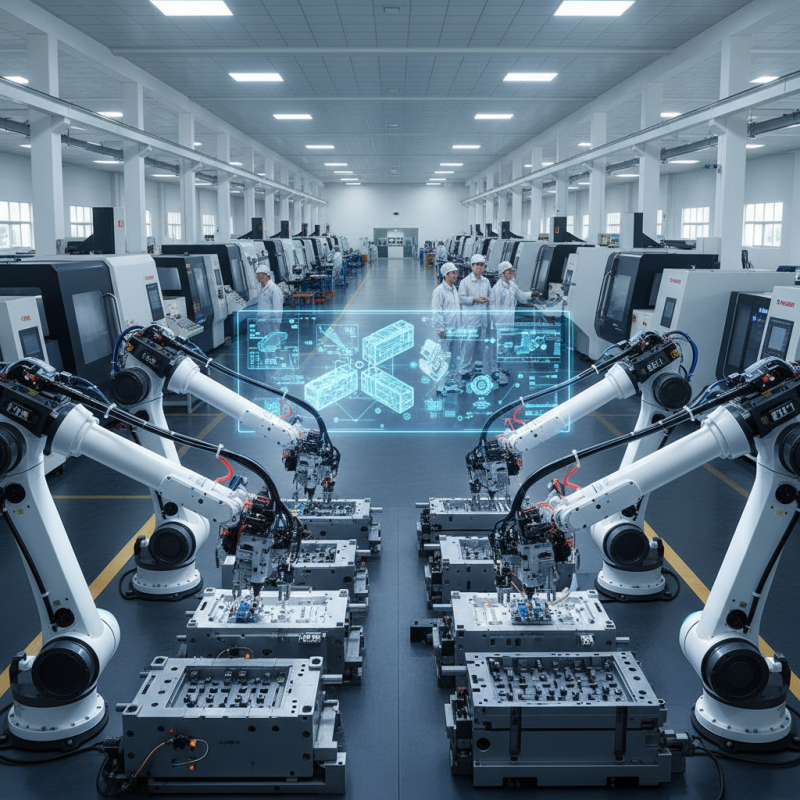
Technological advancements also play a crucial role. The adoption of CNC machining and 3D printing has improved the precision and speed of mold production. A report by Mordor Intelligence highlights that digital technologies will reshape the industry. Yet, not all companies are keeping pace with these trends, leading to a divide between innovative firms and those lagging behind. There is a pressing need for continuous improvement and training to maintain competitiveness in this fast-evolving market.
Key Factors to Consider When Selecting Electronic Mold Suppliers
When selecting electronic mold suppliers in China, buyers should prioritize several key factors.
Quality control is paramount.
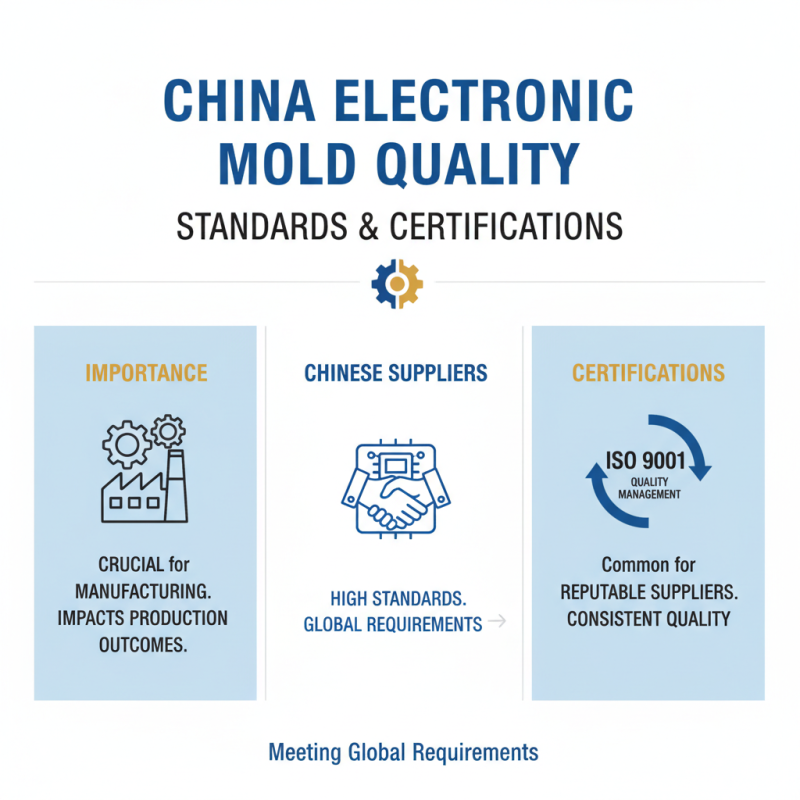
Assessing a supplier’s manufacturing processes can prevent future issues. Look for suppliers with certifications and a robust quality assurance program. This indicates their commitment to maintaining high standards.
Another important consideration is communication.
Suppliers should be responsive and open to inquiries. Clear communication helps avoid misunderstandings. Buyers often face delays due to poor interactions with suppliers. Choosing a supplier that promotes transparency can mitigate this risk.
Experience in the industry is also vital.
A supplier with years of expertise
will likely understand the nuances of electronic molds better. They can provide valuable insights on materials and design.
However, newer suppliers can sometimes offer innovative solutions.
Balancing experience with fresh ideas
might lead to better outcomes. This reflection is essential in making informed decisions.
Top Electronic Mold Suppliers in China: Company Profiles
China's electronic mold industry is vital for global manufacturing. According to the China Mold Industry Association, the market has been steadily growing, with an estimated value of over $30 billion in recent years. This growth indicates high demand for precision and quality in mold manufacturing.
Leading suppliers focus on advanced technologies. They invest in CNC machining and 3D printing. This allows for better designs and faster production times. The use of simulation software also minimizes errors. Manufacturers can produce complex molds that meet specific needs. However, not all suppliers maintain high standards. Quality control remains a challenge for many businesses in this sector.
Sustainability is becoming increasingly important. Many companies are adopting eco-friendly practices. They aim to reduce waste and energy consumption throughout the manufacturing process. Industry reports suggest that around 40% of companies are now prioritizing sustainability. However, this transition is not uniform across the board. Some suppliers still lag behind, revealing areas for improvement. The need for innovation and better practices continues to be essential for competing on a global scale.
Trends and Innovations in the Chinese Electronic Mold Market
The landscape of the electronic mold market in China is evolving rapidly. With increasing demand for precision and efficiency, suppliers are focusing on innovation.
New technologies, such as 3D printing and advanced materials, are transforming mold-making processes. These methods reduce lead times and lower costs.
Moreover, sustainability is a key trend shaping the industry. Many companies are adopting eco-friendly practices. They are exploring biodegradable materials and minimizing waste during production. This shift not only addresses environmental concerns but also meets growing consumer expectations for greener products.
Technical expertise plays a significant role in the success of electronic mold suppliers. Continuous research and development help companies stay ahead. However, some suppliers still struggle with quality control. This inconsistency can impact client satisfaction and overall market reputation. The challenge lies in balancing innovation with reliability to meet global standards effectively.