Top 10 Electronic Mold Suppliers for Global Purchasers?
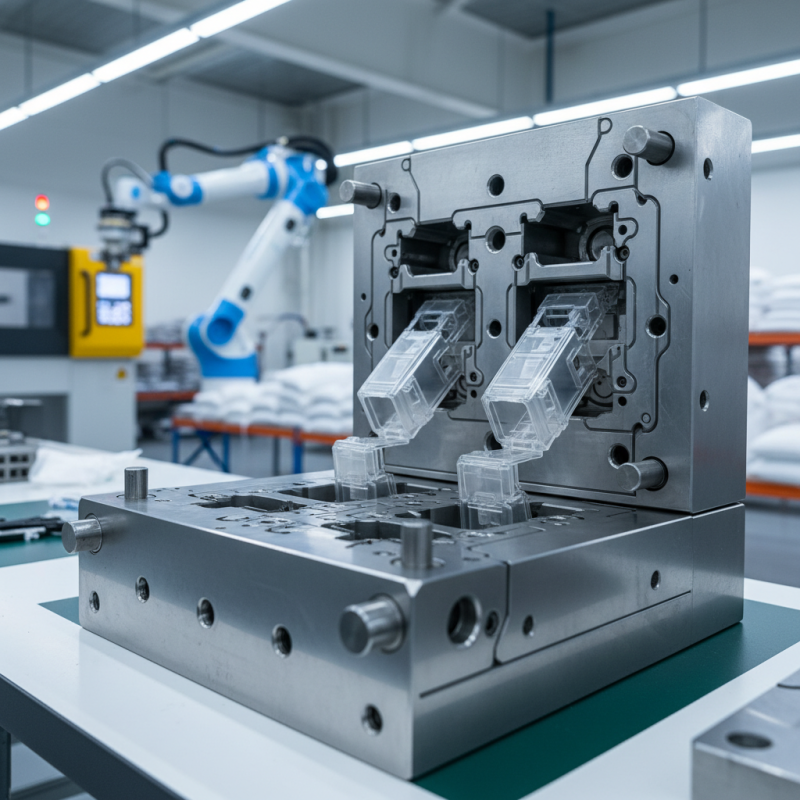
In today's competitive landscape, sourcing reliable Electronic Mold suppliers is critical for manufacturers. The right supplier can influence product quality and production efficiency. As global demand rises, identifying top players becomes essential. Buyers must balance cost, innovation, and service.
The Electronic Mold industry is vast and complex. It requires suppliers to stay updated with technology trends and market needs. Each supplier offers unique capabilities, which complicates the decision-making process. Some may excel in custom designs, while others focus on mass production.
However, not all suppliers maintain the same standards. Some may lack transparency or fail to meet deadlines. Evaluating suppliers requires due diligence. It’s crucial to examine their experience and reputation in the electronic molding sector. Understanding these aspects can lead to better partnerships and successful outcomes in manufacturing.
Global Overview of the Electronic Mold Industry
The electronic mold industry has seen significant advancements in recent years. This growth stems from the increasing demand for electronic components in various sectors. From automotive to consumer devices, high-quality molds are vital to production. Companies continually seek suppliers that prioritize precision and innovation.
Challenges exist in the industry, notably in maintaining quality while managing costs. Many manufacturers struggle to balance these two essential elements. Additionally, technological advancements can introduce complexities. Adopting new methods while ensuring consistency can be daunting for suppliers. The industry requires continuous adaptation to changing market needs.
Sustainability is another pressing concern. Many companies face criticism for their environmental impact. Efforts to implement greener practices are gaining momentum, but more work is needed. Suppliers are pressured to embrace eco-friendly materials and processes. This shift is essential for long-term viability in a competitive landscape. The electronic mold sector stands at a crossroads, with opportunities for growth and significant challenges ahead.
Key Factors Influencing the Selection of Mold Suppliers
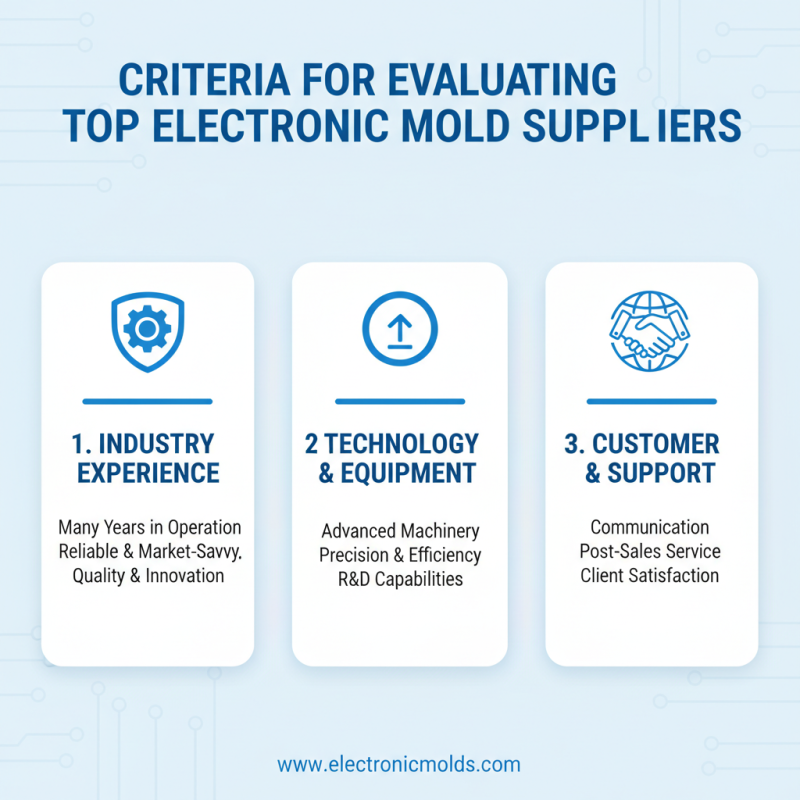
Choosing the right electronic mold supplier is crucial for many businesses. Several key factors influence this decision. Quality control, for instance, stands out as a vital aspect. According to a recent industry report, 87% of purchasers emphasize the importance of consistent quality in mold production. Mold defects can lead to significant losses. A supplier with stringent quality assurance processes tends to build better partnerships.
Another critical factor is technological capability. Advanced manufacturing technologies, such as automation and 3D printing, are reshaping the mold industry. Reports indicate that companies utilizing cutting-edge technology see a 30% increase in efficiency. This can shorten lead times and improve cost management. However, not all suppliers can keep pace with these advancements. Evaluating their technology is essential for long-term reliability.
Communication and support also play significant roles. According to industry surveys, 65% of purchasers value responsiveness in their suppliers. Misunderstandings during the design stage can lead to costly revisions. A willing and proficient supplier, who can effectively communicate and provide support, often proves indispensable. Many organizations still face challenges in aligning expectations with supplier capabilities. Finding a balance can enhance overall project outcomes.
Profiles of the Leading Ten Electronic Mold Suppliers
When seeking top electronic mold suppliers, it’s crucial to understand their capabilities. The leading companies in this sector offer a variety of services and expertise. Each has unique strengths that appeal to different markets. Some excel in rapid prototyping, while others focus on high-volume production. Each specialization can significantly impact the efficiency of the manufacturing process.
Consider factors like technology and experience when evaluating these suppliers. Advanced machinery often leads to better precision and quality. A strong background in the industry adds to a supplier's credibility. It’s common to find some suppliers lacking in innovation. They may rely heavily on traditional methods, which can slow down project timelines.
Purchasers should also consider customer support. Effective communication can make a difference during the manufacturing process. Some suppliers may promise fast turnaround times but fail to deliver. These challenges highlight the importance of thorough research. Engaging in discussions with previous clients can reveal essential insights into their operations.
Trends and Innovations in Electronic Mold Supply Chains
The electronic mold supply chain is evolving rapidly. Innovations in materials and design techniques are shaping the industry. Advanced materials, such as lightweight composites and high-performance polymers, enhance durability and performance in electronics. These innovations help meet rising consumer demands for efficient and compact devices.
Sustainability is also on the rise. Manufacturers are exploring eco-friendly practices. Many are shifting towards recycling materials and reducing waste. However, the transition is challenging. Not all suppliers have adopted these practices equally. Some face operational hurdles that hinder their progress.
Collaboration among stakeholders is critical. Suppliers, manufacturers, and tech companies must work together. Sharing knowledge can drive improvements in the supply chain. This collaborative approach fosters better communication and innovation. Yet, not all companies prioritize this synergy. This gap creates opportunities for improvement and strategic partnerships in the market.
Top 10 Electronic Mold Suppliers for Global Purchasers - Trends and Innovations in Electronic Mold Supply Chains
| Rank |
Country |
Annual Revenue (Million USD) |
Number of Employees |
Established Year |
Innovation Focus |
| 1 |
Germany |
120 |
500 |
1990 |
Sustainability |
| 2 |
USA |
150 |
700 |
1985 |
Smart Technology |
| 3 |
Japan |
100 |
600 |
1980 |
Precision Manufacturing |
| 4 |
China |
200 |
1000 |
2000 |
Automation |
| 5 |
South Korea |
90 |
400 |
1995 |
Nano Technology |
| 6 |
Italy |
80 |
350 |
2005 |
Design Innovation |
| 7 |
Singapore |
110 |
450 |
1998 |
Eco-friendly Materials |
| 8 |
Sweden |
70 |
300 |
2010 |
Digital Fabrication |
| 9 |
France |
60 |
250 |
2003 |
Advanced Composites |
| 10 |
India |
55 |
200 |
2015 |
Hybrid Techniques |