Top Container Mold Designs for 2026 Trends and Innovations?
The container mold industry is rapidly evolving. As we look to 2026, innovative designs are at the forefront. Understanding these trends is crucial for manufacturers and consumers alike.
Container molds serve as the backbone of packaging solutions. They shape materials into functional, versatile products. Recent advancements focus on sustainability and efficiency. However, challenges remain. New materials can complicate the design process.
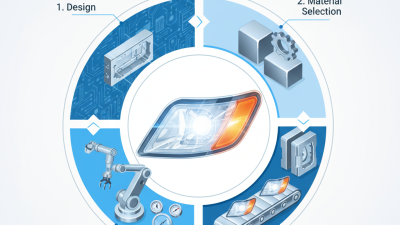
Emerging technologies also play a key role. 3D printing and automation are changing production. These innovations promise speed and accuracy. Nevertheless, ensuring quality control is essential. Manufacturers must remain vigilant to avoid flaws in design. In this dynamic landscape, adaptability is vital for success.
Emerging Trends in Container Mold Design for 2026
The container mold design industry is evolving quickly. Innovations for 2026 promise to change how we think about packaging. Sustainability is at the forefront. Designers are focusing on eco-friendly materials. The use of biodegradable plastics offers a new direction. These materials break down naturally, reducing landfill waste.
Another trend is modular design. Designers are creating molds that can be easily adjusted. This flexibility allows for different product sizes using the same mold. It reduces cost and resource waste. Furthermore, automation and 3D printing are gaining ground. These technologies help speed up production and improve accuracy. However, reliance on technology can lead to loss of craftsmanship.
Lastly, aesthetic appeal is gaining importance. Packaging must grab attention on the shelf. Uniquely shaped containers and bright colors can create a strong visual impact. Balancing aesthetics with functionality remains challenging. Designers must consider consumer preferences while maintaining practicality. This tension highlights a crucial area for reflection in the design process.
Key Innovations Shaping the Future of Container Production
The future of container production is being shaped by key innovations. New materials are on the rise, with bioplastics gaining traction. Studies show that bioplastics can reduce carbon emissions by up to 70% compared to traditional plastics. These sustainable options are not just eco-friendly; they also offer durability and versatility. More manufacturers are adopting these materials in response to consumer demands for greener products.
Automation is transforming production processes. Data from industry reports indicate that automated systems can improve efficiency by 30%. Robotics in container design allows for precision and speed. However, some challenges remain. High initial costs for automation and the need for skilled workers can hinder adoption. Innovations must balance advanced technology with practical implementations.
3D printing is another trend. It offers rapid prototyping and customization. The global market for 3D printed containers is expected to reach $2.5 billion by 2026. While this presents opportunities, scalability issues pose questions. Companies must consider the cost-effectiveness of 3D printed solutions for mass production. As these trends continue to evolve, stakeholders will need to address both innovations and obstacles within the container industry.
Sustainable Materials Revolutionizing Container Mold Designs
The container mold industry is seeing a significant shift towards sustainable materials. Recent industry reports indicate that over 60% of manufacturers are adopting eco-friendly practices. This change stems from growing consumer demand for sustainable products. The use of biodegradable plastics and recycled materials is on the rise. In fact, research shows that the biodegradable plastics market is expected to reach $15 billion by 2026.
Tips: Consider the types of materials in your designs. Explore options like PLA and PHA. They are not only sustainable but also innovative.
Innovations in container mold designs are also emerging. 3D printing technology allows for rapid prototyping. This method reduces waste and allows for unique, intricate designs. The use of advanced materials like bio-composites is gaining traction. Data reveals that bio-composites can reduce the carbon footprint of products by up to 30%. It's a promising avenue for the industry to explore.
Tips: Experiment with 3D printing. This can streamline your workflow. It may open up new design possibilities that traditional methods can't achieve.
Top Container Mold Designs for 2026 Trends and Innovations
| Design Feature |
Material Type |
Eco-Friendliness Rating |
Production Efficiency (%) |
Biodegradability (Years) |
| Modular Design |
Recycled Plastic |
High |
85 |
5 |
| Integrated Smart Features |
Bioplastic |
Moderate |
90 |
3 |
| Lightweight Structures |
Plant-based Polymer |
Very High |
95 |
2 |
| Reinforced Designs |
Bamboo Composites |
High |
80 |
4 |
| Customizable Molds |
Recycled Aluminum |
Moderate |
88 |
6 |
Technological Advancements in Mold Manufacturing Processes
The container mold industry is evolving rapidly due to technological advancements. In 2026, we expect significant shifts in mold manufacturing processes. Additive manufacturing, or 3D printing, is leading the charge. According to a recent industry report, the global 3D printing market for molds is projected to exceed $1.5 billion by 2026. This technology reduces material waste and speeds up production times.
Moreover, automation and AI integration are streamlining mold design. These advancements enable quicker adjustments and improved precision. Data from a leading manufacturing association indicates that companies adopting these technologies have seen a 30% increase in efficiency. However, integrating such technology can be complex and may require a cultural shift within organizations. It's crucial for teams to adapt and embrace these changes.
Tips: Consider investing in training for staff to optimize the use of new technologies. Encourage teams to brainstorm and reflect on how to tackle challenges in adopting these innovations. Emphasizing collaboration can lead to better solutions.
Case Studies of Successful Container Mold Designs in 2026
In 2026, container mold designs are evolving rapidly. Innovative materials and methods are reshaping production processes. A recent report by the Global Packaging Alliance indicates that sustainable materials are now used in 45% of new molds. This shift is driven by consumer demand for eco-friendly packaging solutions.
One noteworthy case is a project involving biodegradable polymers. This initiative reduced material waste by 30%. Companies that adopted these designs saw significant increases in market share. Additionally, data from the International Mold Association reveals that molds featuring advanced cooling systems can enhance efficiency by 25%. However, the challenge remains in balancing cost and performance.
Some designs still face problems with durability. While lighter materials are appealing, they sometimes lead to shorter lifespans. This means that some companies need to rethink their approach. Despite these hurdles, the integration of technology in mold design is unparalleled. Advanced simulations now allow for real-time adjustments, potentially bridging the gap between innovation and reliability.