Top Automation Equipment Molds for Global Buyers 2026?
In the evolving landscape of manufacturing, Automation Equipment Molds play a crucial role. According to a report by Markets and Markets, the global automation market is projected to reach $200 billion by 2026. This underscores the growing reliance on automation technologies. Molds specifically designed for automation equipment are at the heart of this transformation.
The integration of advanced materials and precision engineering in mold design is becoming increasingly important. Experts note that improved mold quality can enhance production efficiency by up to 25%. However, the industry faces challenges, such as rising material costs and the need for sustainable practices. These factors necessitate a thoughtful approach to mold development.
Investing in high-quality Automation Equipment Molds is essential for maintaining operational efficiency. As buyers look for reliable solutions, understanding the nuances of mold selection becomes critical. The right molds can significantly impact productivity and product quality. Nevertheless, companies must reflect on their evolving needs and market demands for future competitiveness.
Overview of Automation Equipment Molds Market Trends for 2026
The automation equipment molds market is poised for significant growth in 2026. Market analysts predict a compound annual growth rate (CAGR) of over 6% during this period. The increasing demand for manufacturing efficiency and precision drives this trend. Industries worldwide are increasingly adopting automation technologies, which enhances productivity and reduces operational costs.
In 2026, advanced mold designs, such as multi-cavity molds and hot runner systems, will likely dominate the market. These designs minimize cycle time and increase output, aligning perfectly with the industry's push for efficiency. Emerging technologies like 3D printing are also changing the mold-making landscape, allowing for rapid prototyping and customization.
Tips: Invest in ongoing training for your team. Staying updated with the latest trends fosters innovation. Consider collaborating with experts in automation technology to gain insights.
Market data highlights the importance of sustainability as well. Consumers are increasingly demanding environmentally friendly production processes. Molds that facilitate recycling and reduce waste are becoming vital. Adapting to these changes is crucial for maintaining competitiveness. Reflecting on your production methods could unveil areas of improvement.
Key Features and Innovations in Automation Equipment Molds
Automation equipment molds are evolving rapidly. Global buyers are looking for innovative solutions. Key features in these molds include advanced materials and precision engineering. Durable materials enhance product life, while lightweight options improve efficiency in manufacturing. This trend is significant for industries needing agile production adjustments.
Innovations such as smart mold technology are gaining traction. These molds incorporate sensors and AI. Real-time data helps optimize performance and reduce downtime. Users experience fewer defects and lower maintenance costs. However, integrating such technology presents challenges. Not all manufacturers are ready for this shift, indicating a need for careful planning.
Sustainability remains a pressing concern. Buyers increasingly demand eco-friendly materials. Many automation molds now use recycled content. Yet, sourcing these materials can be complex. Balancing performance and sustainability requires ongoing reflection. The quest for the ideal mold continues as the industry adapts.
Top Global Manufacturers of Automation Equipment Molds
In the evolving world of automation, the demand for high-quality molds cannot be overstated. These molds shape components critical for various industries, including automotive, electronics, and consumer goods. Choosing the right manufacturer is essential. Quality, precision, and reliability are key factors to consider.
Top global manufacturers specialize in producing a range of automation equipment molds. They utilize advanced technologies to ensure accuracy. Moreover, many companies are now focusing on sustainable practices. This shift is not just beneficial for the environment; it can also enhance product longevity and performance. However, some manufacturers still struggle to keep pace with innovations. This gap may impact their competitiveness in 2026.
Buyers should explore manufacturers' technological capabilities and expertise carefully. Understanding the production process is important. Each phase, from design to final testing, contributes to the end product's quality. References from other buyers can also provide insights into a manufacturer’s reliability. Engaging with professionals in the field can lead to informed decisions. Ultimately, selecting the right partner can propel businesses forward in the automation landscape.
Factors Influencing Buyer Preferences in Automation Equipment Molds
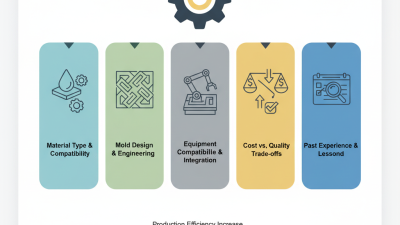
In 2026, buyer preferences for automation equipment molds will be shaped by several key factors. First, the growing demand for customization is compelling manufacturers to adapt their offerings. A report by the International Federation of Robotics states that nearly 70% of automation buyers are seeking tailored solutions. This shift highlights how companies must listen to customer needs to thrive in a competitive market.
Additionally, sustainability is becoming paramount. Data from a recent market analysis shows that 75% of buyers prioritize eco-friendly materials and processes when selecting molds. Companies that overlook this need may face backlash. Adopting green practices not only meets consumer expectations but can also lead to cost savings over time.
Cost efficiency remains a critical concern. A survey from the Automation Industry Association found that 65% of buyers are sensitive to price fluctuations. Many are not willing to compromise on quality but want competitive pricing. Balancing cost and quality can be challenging. Buyers will likely have to rethink their purchasing strategies in light of these economic pressures.
Future Prospects and Challenges in Automation Equipment Mold Industry
The automation equipment mold industry is on the brink of transformative changes. As technology advances, manufacturers face diverse prospects. New materials and production techniques emerge, driving innovation. However, companies must adapt to these shifts. The integration of smart technologies in molds presents both opportunities and challenges.
The future promises greater efficiency but requires investment. Automation in production means less manual labor. Employees need new skills to operate complex machinery. The shift can lead to workforce disruptions if proper training is not provided. Moreover, sustainability is becoming a critical focus. Manufacturers are pressured to reduce waste and improve energy efficiency.
Market demands fluctuate rapidly. This volatility complicates long-term planning for companies. Molds must cater to specific needs, resulting in customization challenges. The rise of 3D printing offers solutions but also adds competition. Companies must balance innovation with cost-efficiency to remain viable. It's a delicate dance between meeting customer expectations and maintaining profitability.