How to Leverage Advanced Mold Technology for Global Sourcing?
In today's competitive landscape, leveraging Advanced Mold Technology can significantly enhance global sourcing strategies. This innovative approach optimizes production processes, reduces lead times, and improves product quality. Utilizing advanced materials and techniques, manufacturers can achieve precision and efficiency in mold design and production.
However, it is essential to recognize that not all companies are fully equipped to harness these technologies effectively. Challenges may arise from the complexity of integration into existing workflows. Proper training and expertise are crucial to maximize the benefits that Advanced Mold Technology offers. Understanding the specific needs of the target market is vital.
As businesses pursue global sourcing, reflecting on these challenges could lead to better decision-making. The implementation of Advanced Mold Technology requires careful consideration of various factors. Manufacturers must stay informed about technological advancements and continue refining their strategies to remain competitive.

Understanding Advanced Mold Technology and Its Benefits
Advanced mold technology plays a crucial role in global sourcing. It streamlines production and enhances product quality. Companies adopting this technology benefit from reduced lead times and lower production costs. According to a recent industry report, 70% of manufacturers using advanced molds report improved operational efficiency.
Understanding advanced mold technology involves recognizing its various forms. For instance, injection molds allow for precise shapes and high-volume production. This reduces waste and material usage, significantly impacting sustainability goals. However, it's essential to recognize that initial setup costs can be high. Companies need to weigh the benefits against these expenses carefully.
The benefits of advanced mold technology extend beyond efficiency. Enhanced designs lead to better product performance and customer satisfaction. A study from a leading industry analyst revealed that 60% of end-users prefer products manufactured with advanced molds. However, organizations must continuously evaluate their processes. Over-reliance on technology without skilled personnel can lead to complications. The balance between innovation and human expertise is vital for success.
Key Factors to Consider for Global Sourcing with Mold Technology
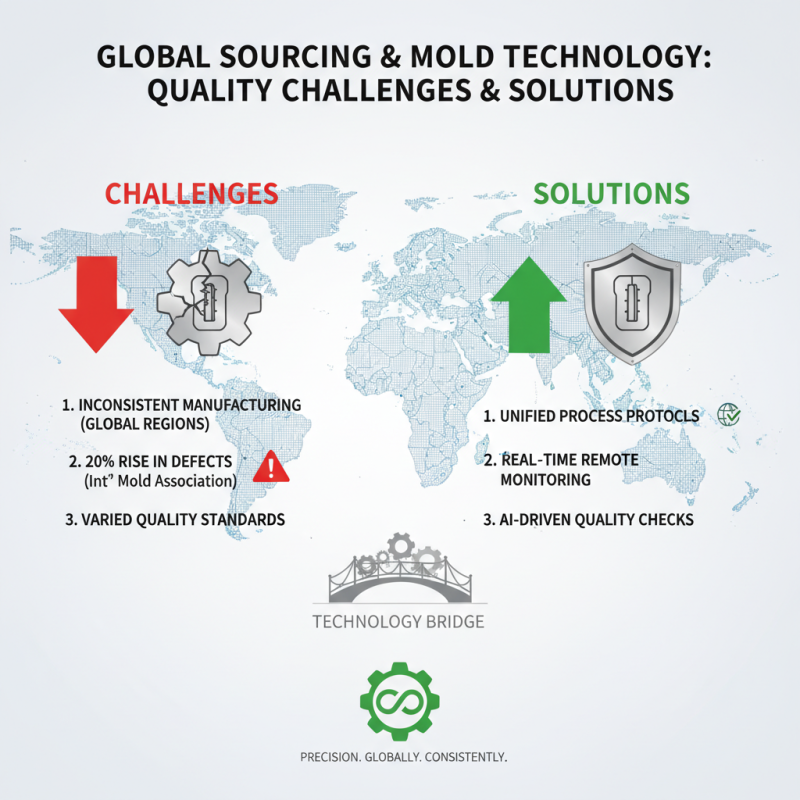
In the realm of global sourcing, advanced mold technology plays a pivotal role. Understanding the intricacies of this technology is essential for companies looking to optimize their supply chains. Factors such as cost efficiency, quality control, and technological innovation can significantly influence sourcing decisions.
One must consider the geographical aspects of sourcing molds. Locating suppliers closer to production sites can reduce lead times and shipping costs. However, not all regions have equal expertise. Some areas may excel in rapid prototyping, while others might focus on specific material types. It’s vital to align these capabilities with project needs.
Another critical factor is communication. Effective interaction with suppliers ensures that expectations are clear. Language barriers and time zone differences can create misunderstandings. Addressing these issues upfront can prevent costly errors later. The evolving nature of mold technology also requires ongoing education. Staying updated with advancements can enhance strategic sourcing efforts and drive competitive advantages.
How to Leverage Advanced Mold Technology for Global Sourcing?
| Key Factor |
Description |
Impact on Sourcing |
Example Technology |
| Rapid Prototyping |
Creating quick and cost-effective prototypes to test designs |
Reduces time-to-market |
3D Printing |
| Material Selection |
Choosing appropriate materials based on durability and cost |
Optimizes production efficiency |
Thermoplastics |
| Automation |
Utilizing automated systems for precision and speed in production |
Increases throughput and reduces labor costs |
Robotic Assembly |
| Quality Assurance |
Implementing rigorous testing and inspection protocols |
Ensures product reliability and customer satisfaction |
CMM (Coordinate Measuring Machine) |
| Sustainability |
Incorporating eco-friendly materials and processes |
Enhances brand reputation and meets regulatory standards |
Biodegradable Plastics |
Evaluating Suppliers for Advanced Mold Technology Applications
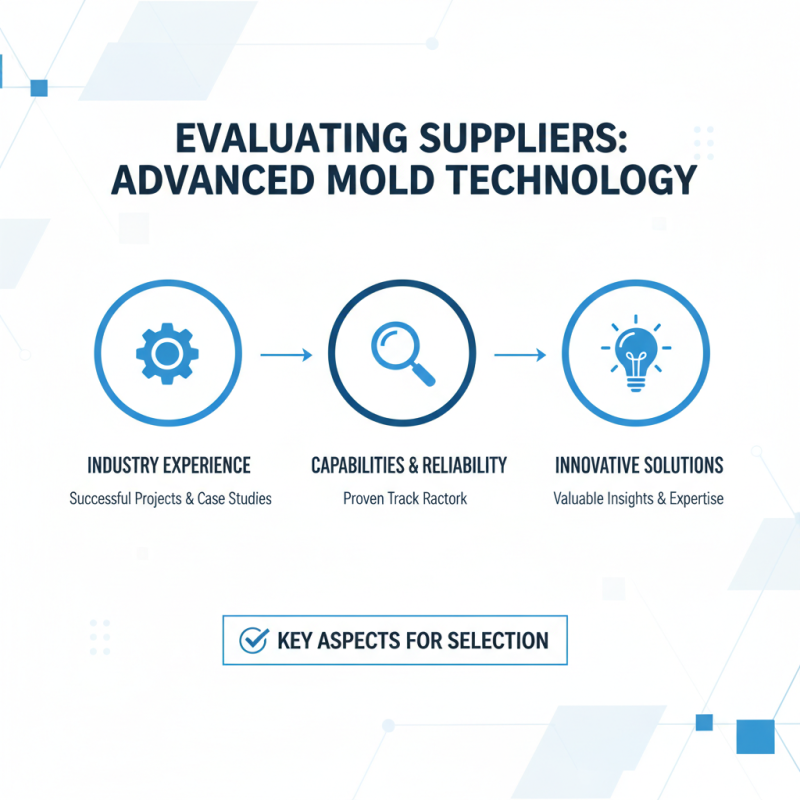
When evaluating suppliers for advanced mold technology applications, focus on a few critical aspects. First, assess the supplier’s experience in the industry. Look for a history of successful projects and relevant case studies. This provides insight into their capabilities and reliability. An experienced supplier will also offer valuable insights and innovative solutions.
Next, examine the technological competencies of potential suppliers. It is essential that they possess state-of-the-art equipment. Confirm they stay updated with the latest advancements in mold technology. Ask about their design software and manufacturing techniques. These details can reveal the quality of their output. It's crucial to evaluate past client feedback too. Check if their clients report satisfaction or if they encountered issues during projects.
Lastly, consider the supplier’s customer service and support. Availability for communication is key to a successful partnership. You may notice some suppliers may lack responsiveness or clarity. This can lead to miscommunication and frustration. It's wise to reflect on your own criteria during this process. Balancing price and quality can be challenging. However, understanding these factors will support informed decisions for your sourcing strategy.
Implementing Advanced Mold Technology in Your Sourcing Strategy
Implementing advanced mold technology in your sourcing strategy can significantly enhance product quality and efficiency. This technology allows for precise molding processes, resulting in consistency across production. It can reduce waste and improve turnaround times. Utilizing advanced mold technology ensures that each product meets the highest standards of durability and design.
However, integrating new technologies is not without challenges. Companies may face initial costs and the need for specialized training. Adjusting existing workflows to incorporate new systems can also take time. These adjustments require careful planning and implementation. Regular assessments should be conducted to determine if the technology meets sourcing goals effectively. Feedback from teams using the technology can provide insights for further improvements.
Investing in advanced mold technology offers numerous benefits, but companies must remain agile. Constantly evaluating the effectiveness of this technology in your sourcing strategy is crucial for success. Adaptation to changing market demands should also be a priority. By addressing these potential challenges, you can leverage advanced mold technology to enhance your sourcing efforts.