What is Core Pulling Mold and Why is it Essential in Manufacturing Process
In the ever-evolving landscape of manufacturing, the significance of specialized tools such as the Core Pulling Mold cannot be overstated. This innovative molding technique is essential for creating complex designs that require the removal of internal cores, ultimately leading to enhanced product functionality and efficiency. As industry expert Johnathan Reynolds, a renowned specialist in polymer molding technology, aptly states, "The use of Core Pulling Molds offers unmatched precision and efficiency, transforming the way we approach manufacturing challenges."
The Core Pulling Mold plays a critical role in various sectors, including automotive and consumer goods, where intricate designs and lightweight materials are increasingly in demand. By facilitating the efficient extraction of cores, these molds enable manufacturers to produce highly detailed components without compromising on quality. This process not only improves production timelines but also reduces costs and waste, making it a valuable asset in the manufacturing arsenal.
Understanding the intricacies of Core Pulling Molds is essential for manufacturers aiming to stay competitive in today’s market. As technology advances, so does the potential of these molds to revolutionize production techniques, offering new avenues for innovation and enhanced capabilities. Embracing this method is crucial for those looking to push the boundaries of manufacturing excellence.

What is a Core Pulling Mold?
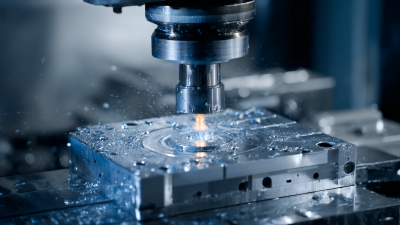
A core pulling mold is a specialized tool used in the manufacturing process, particularly in the production of complex shapes by injection molding or casting. This type of mold features a mechanism that allows for the extraction of a core, which is essential for creating hollow sections or intricate internal geometries in a part. The core is typically made of metal and is positioned within the mold cavity, where molten material is injected or poured around it. Once the material cools and solidifies, the core is pulled out, leaving behind the desired hollow shapes.
The importance of a core pulling mold lies in its ability to enhance the design and functionality of manufactured parts. By enabling the creation of complex internal structures without the need for additional assembly, these molds streamline production processes and improve overall efficiency. They are widely used in various industries, including automotive, aerospace, and consumer goods, where precision and intricate designs are crucial. Furthermore, core pulling molds contribute to greater material savings and reduced waste, making them an indispensable element in modern manufacturing practices.
What is Core Pulling Mold and Why is it Essential in Manufacturing Process
| Dimension |
Description |
Importance |
| Material Type |
Metal, Plastic, Composite |
Determines the durability and application of the mold |
| Cooling Channels |
Design of channels to manage temperature |
Ensures efficient cooling and prevents defects |
| Core Type |
Vertical, Horizontal, Lateral |
Influences the complexity and functionality of the mold |
| Cycle Time |
Time taken for a complete mold cycle |
Affects productivity and output rate in manufacturing |
| Maintenance Frequency |
Regular schedules for cleaning and repairs |
Ensures longevity and consistent performance of molds |
The Mechanics of Core Pulling in Manufacturing
Core pulling is a vital mechanism employed in manufacturing processes, particularly in casting and injection molding. This technique involves the extraction of a core from a mold after the material has set, allowing for the creation of complex internal geometries that would be impossible to achieve with a solid mold. The core itself is a removable part of the mold that defines the interior shape of the final product, helping manufacturers produce components with intricate designs, cavities, and channels.
The mechanics of core pulling rely heavily on precision engineering and carefully designed mold configurations. Traditionally, core pulling systems incorporate mechanical or hydraulic mechanisms that activate upon the curing of the mold material. As the mold is opened, the core is pulled out in a controlled manner to prevent any damage to both the core and the molded item. This balance of pressure and timing is crucial; if executed improperly, it could lead to defects such as cracks or surface imperfections. Effective core pulling not only enhances the quality of the manufactured part but also significantly improves the efficiency of production processes, reducing the need for additional finishing work or rejections due to defects.
Applications of Core Pulling Molds in Various Industries
Core pulling molds play a critical role in various manufacturing processes, facilitating the creation of complex parts with intricate internal geometries. These molds are commonly used in industries such as automotive, aerospace, and consumer goods, where precision and efficiency are paramount. In the automotive sector, for instance,
core pulling molds help produce components like engine blocks, allowing for lightweight designs and enhanced fuel efficiency. The ability to create cavities and hollow spaces within components not only reduces material use but also contributes to improved thermal performance.
In the aerospace industry, the application of core pulling molds supports the fabrication of lightweight and high-strength parts, which are essential for maximizing fuel efficiency and performance in aircraft. This technique enables manufacturers to maintain rigorous safety standards while optimizing the design.
Similarly, in the consumer goods sector, core pulling molds are employed to manufacture everything from household items to sporting goods, ensuring that products are both attractive and functional.
Tips: When considering the use of core pulling molds, it's essential to evaluate the complexity of the part being produced. Collaborating with experienced engineers can help identify the most suitable mold design, minimizing production costs and time. Always conduct thorough testing of prototypes to refine the mold design before full-scale manufacturing.
Benefits of Using Core Pulling Molds in Production Processes
Core pulling molds are an integral component in various manufacturing processes, particularly in the production of complex shapes. One of the primary benefits of using core pulling molds is their ability to create intricate internal features that are often impossible to achieve with traditional molding techniques. This capability allows manufacturers to produce parts with high precision and detail, significantly enhancing the performance and functionality of the final products.
Another advantage of core pulling molds is their efficiency in reducing cycle times during production. By streamlining the molding process, manufacturers can increase output without compromising quality. The quick removal of cores minimizes downtime and enhances the overall productivity of manufacturing operations. Additionally, core pulling molds contribute to cost-effectiveness by reducing material waste and ensuring that products meet stringent specifications, ultimately leading to higher customer satisfaction and lower production costs.
Challenges and Solutions in Implementing Core Pulling Molds
Implementing core pulling molds in manufacturing processes presents several challenges that must be addressed to ensure efficiency and product quality. One significant challenge is the precision in the design and fabrication of the mold itself. Any inaccuracies can lead to defects in the final product, which may result in increased production costs and time. Moreover, the complexity of the core pulling mechanism requires skilled personnel who can navigate the intricacies of setup and maintenance.

To overcome these challenges, manufacturers can employ advanced simulation software during the design phase. This technology allows engineers to predict potential issues and make necessary adjustments before actual production begins. Regular training and upskilling of the workforce are also essential, as this ensures that staff are proficient in using and maintaining core pulling molds, thus minimizing downtime.
Tips: When designing a core pulling mold, prioritize simplicity in the mechanism to reduce the likelihood of mechanical failure. Additionally, conduct regular audits of mold performance to identify wear and tear early, which can help extend the lifespan of the mold and improve overall production reliability.