Why Choose Automotive Die-Casting Molds for Your Production?
In the competitive automotive industry, choosing the right production method is crucial. “Automotive Die-Casting Molds are a game-changer for efficiency,” says Dr. Emily Chen, a leading expert in automotive manufacturing. This innovative approach offers durability and precision, ideal for high-volume production.
Automotive Die-Casting Molds allow manufacturers to create complex shapes with tight tolerances. They provide a seamless way to produce lightweight components, enhancing vehicle performance. However, it’s important to consider the initial investment. This process may require substantial upfront costs, which can be a barrier for smaller businesses.
While die-casting molds deliver numerous benefits, they are not without challenges. Molds can wear over time, necessitating regular maintenance or replacements. Companies must weigh these factors carefully. The long-term advantages often outweigh the drawbacks, making Automotive Die-Casting Molds a smart choice for automotive production.
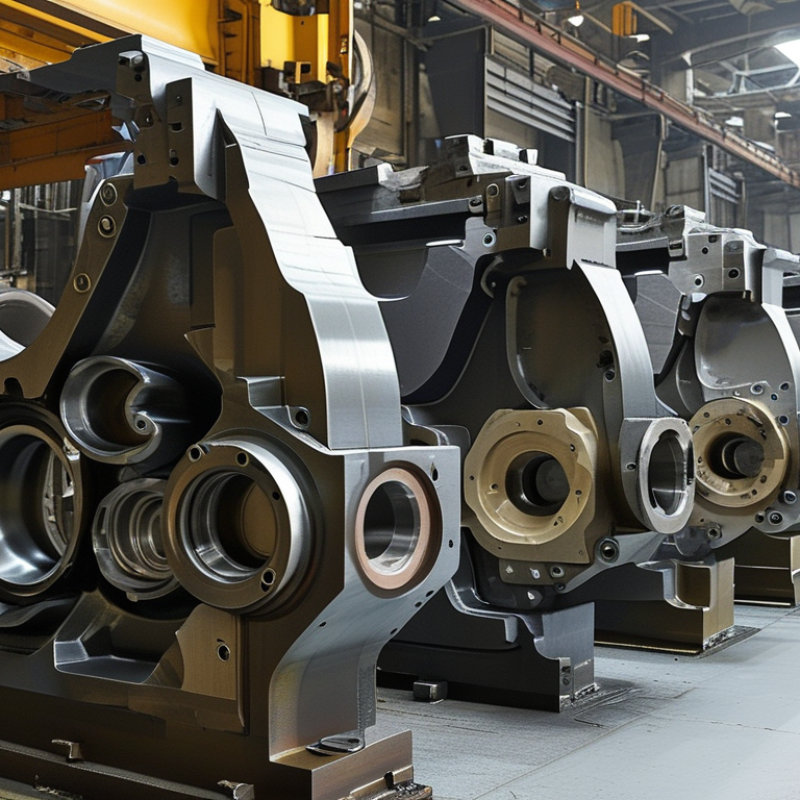
Understanding Automotive Die-Casting Molds and Their Benefits
Automotive die-casting molds play a crucial role in automotive manufacturing. These molds are designed to produce high-precision components at a lower cost. According to a recent industry report, die-casting contributes to around 40% of metal parts in the automotive sector. This highlights its significance in modern production.
The benefits of die-casting molds extend beyond cost efficiency. They offer excellent dimensional accuracy, which is vital for the assembly of intricate components. Research indicates that parts produced by die-casting have a variation tolerance of less than ±0.5 mm. This level of precision can reduce assembly errors and improve overall vehicle performance.
Tips for using automotive die-casting molds: Always conduct regular maintenance to ensure mold longevity. Monitor temperature and pressure during the casting process. Small variations can lead to defects, which are costly and time-consuming to fix. Additionally, training staff on best practices in mold handling can prevent mistakes.
While die-casting offers numerous advantages, it is essential to recognize some challenges. High initial investments in mold fabrication can deter some manufacturers. Understanding the long-term savings and efficiency can help justify these costs. It's crucial to weigh the pros and cons carefully.
Key Advantages of Using Die-Casting in Automotive Production
Die-casting molds are pivotal in the automotive industry. They offer distinct advantages that boost production efficiency and product quality. One major benefit is precision. Die-casting allows for complex shapes with tight tolerances. This accuracy reduces the need for extensive machining, saving time and resources.
Another key advantage is material efficiency. Die-casting molds can help produce lightweight components, which is vital for fuel efficiency in vehicles. Utilizing aluminum or magnesium reduces weight without compromising strength.
However, producing these molds requires a significant upfront investment. This can limit their application for smaller manufacturers or startups.
Rapid production is another reason to consider die-casting. Once the molds are created, they can be used repeatedly to produce high volumes of parts. This can speed up the manufacturing process.
However, it's worth noting that achieving the perfect mold may take several iterations. This trial-and-error aspect can be frustrating but often leads to better outcomes. Embracing this process is essential for optimizing production in the long run.
Materials Commonly Used in Automotive Die-Casting Molds
Automotive die-casting molds are vital in manufacturing processes. The materials used for these molds are crucial for their performance and longevity. Aluminum alloys are among the most common materials. They offer excellent thermal conductivity. This feature allows for efficient heat dissipation during the cooling process. Faster cooling can enhance production rates.
Another popular choice is magnesium. It is lightweight and has a high strength-to-weight ratio. This makes it an ideal choice for automotive applications where every gram counts. However, magnesium can be more challenging to work with. Its reactivity with moisture requires careful handling and specialized techniques.
Steel is also widely used for its durability. Steel molds are robust and can endure high pressure and temperature cycles. However, they may take longer to manufacture. This can lead to increased lead times in production. Choosing the right material involves trade-offs. Manufacturers need to assess their production goals and material properties carefully. Each option has its advantages and drawbacks, demanding thoughtful consideration.
The Die-Casting Process: Steps and Techniques Explained
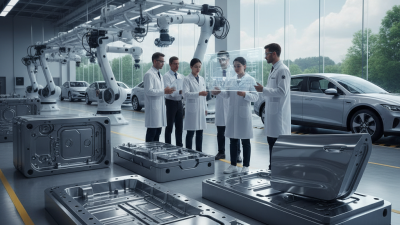
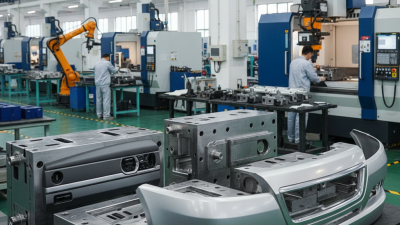
The die-casting process plays a vital role in automotive manufacturing. It begins with molten metal being forced into a mold under high pressure. This ensures a high degree of precision and detail. Once the metal cools, the mold opens, and the part is ejected. This method allows for the creation of complex shapes that can meet stringent design requirements.
Techniques within die-casting vary significantly. For instance, hot-chamber die-casting is best for metals like zinc, while cold-chamber is often preferred for aluminum. Each technique has its pros and cons. The choice can impact part durability and surface finish. This makes it essential to understand which method suits your production needs best.
Complex molds can be expensive, and creating them requires expertise. Not all designs yield a successful final product. The alignment of the mold is crucial. Even slight inaccuracies might lead to defects. Testing prototypes is an essential step. It provides insights about the final outcome and helps avoid costly mistakes during full-scale production. Therefore, skillful planning is necessary to optimize the die-casting process.
Why Choose Automotive Die-Casting Molds for Your Production?
| Aspect |
Details |
| Material Used |
Aluminum, Magnesium, Zinc alloys |
| Mold Lifespan |
Up to 1 million cycles |
| Production Speed |
Rapid production rate (up to several hundred parts per hour) |
| Surface Finish |
Excellent surface finish quality |
| Dimensional Tolerances |
High precision with tight tolerances (±0.2 mm) |
| Advantages |
Durability, lightweight, complex shapes, and efficiency |
| Applications |
Automotive components, industrial machinery, consumer electronics |
Cost Efficiency and Sustainability of Die-Casting in Automotive Industry
The automotive industry faces constant pressure to maintain cost efficiency while pushing for sustainability. Die-casting molds present a viable solution. They allow manufacturers to produce complex metal parts at a lower cost. The quick production process of die-casting reduces lead times, which can significantly enhance productivity. This process minimizes waste, making it an attractive option for eco-conscious manufacturers.
Using die-casting can lead to a significant reduction in scrap material. Compared to other manufacturing methods, like machining, die-casting generates less waste. It allows for the production of lighter and stronger components, improving vehicle efficiency. This is crucial as automakers aim to meet stricter emissions standards and consumer demand for eco-friendly vehicles.
Tips for optimizing die-casting include careful design considerations. Ensuring proper part geometry can minimize defects. Using simulation software can identify potential issues in the design phase. Collaborate with experienced mold makers to ensure high-quality output. Some imperfections can occur during the casting process. These should be analyzed and addressed to improve future operations. Keeping sustainability at the forefront can lead to smarter production practices. Embracing die-casting molds could be a game-changer for the industry.