China Top 10 Automotive Parts Molds Suppliers for Global Buyers?
China has emerged as a powerhouse in the automotive parts molds industry, playing a vital role in the global supply chain. According to a recent industry report, the market for automotive molds is projected to reach $29.2 billion by 2026, with Asia-Pacific driving significant growth. This trend highlights China's dominance in providing high-quality molds, essential for producing various automotive components.
The country's strategic investments and technological advancements have led to a competitive edge in manufacturing automotive parts molds. Suppliers leverage advanced materials and precision engineering techniques to meet stringent international standards. However, challenges such as fluctuating raw material prices and environmental regulations pose questions on sustainability and long-term viability.
Despite these hurdles, many Chinese suppliers have demonstrated resilience and innovation. They have adopted best practices to enhance efficiency and quality control. As global buyers seek reliable partnerships, understanding the top players in China's automotive parts molds sector becomes crucial for decision-making. This landscape is continuously evolving, making it essential for stakeholders to stay informed.
Overview of China's Automotive Parts Mold Industry
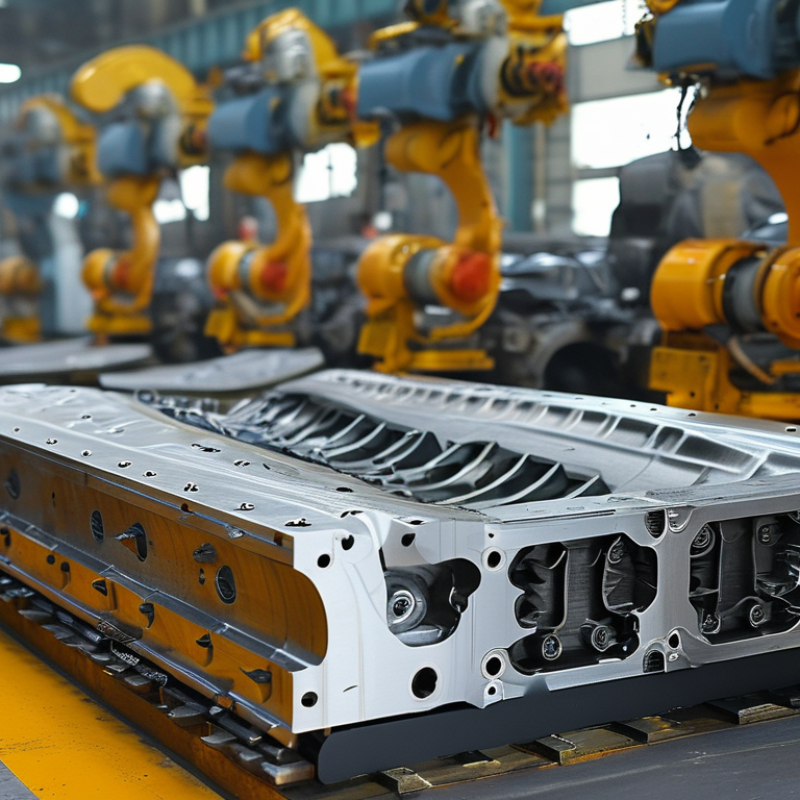
China's automotive parts mold industry has become a crucial player in the global market. This sector benefits from rapid technological advancements and increased demand for vehicle production. China has established itself as a hub for high-quality molds, producing various components from dashboards to engine parts. The country’s manufacturing infrastructure supports efficiency and innovation, enabling manufacturers to meet international standards.
Tips: When sourcing molds, consider the specifications of your project. Understanding material requirements is vital for compatibility. High-precision molds may come at a premium but ensure long-term performance.
Despite its strengths, challenges exist. There's intense competition among suppliers, leading to price wars that can compromise quality. Additionally, some manufacturers struggle with adhering to environmental regulations. Potential buyers should investigate a supplier’s certifications and production practices before committing.
Tips: Always ask for samples. Testing molds can reveal their quality and performance. Establishing good communication with suppliers can help clarify expectations. Assessing past projects can also provide insight into a company's reliability.
China Top 10 Automotive Parts Molds Suppliers for Global Buyers
| Rank |
Company Type |
Annual Revenue (USD) |
Key Products |
Export Markets |
| 1 |
Injection Molding Manufacturer |
$500 Million |
Automotive panels, engine components |
Europe, North America, Asia |
| 2 |
Die Casting Supplier |
$400 Million |
Transmission parts, chassis components |
Africa, South America |
| 3 |
Plastic Mold Designer |
$350 Million |
Bumpers, interior trims |
Asia, Europe |
| 4 |
Rubber Mold Manufacturer |
$300 Million |
Seals, gaskets |
North America, Europe |
| 5 |
Mold Manufacturing Process Innovator |
$250 Million |
Complex automotive molds |
Global |
| 6 |
High-Precision Tooling Supplier |
$200 Million |
High-performance components |
Asia, Europe |
| 7 |
Custom Mold Maker |
$150 Million |
Customized auto parts molds |
North America, Australia |
| 8 |
Metal Stamping Supplier |
$120 Million |
Chassis parts, brackets |
Europe, Asia |
| 9 |
Thermoforming Expert |
$100 Million |
Dashboard components |
North America, South America |
| 10 |
Rapid Prototyping Specialist |
$80 Million |
Prototype molds for auto parts |
Global |
Criteria for Selecting Top Mold Suppliers
When selecting top automotive parts molds suppliers, several criteria stand out. Quality is paramount. Buyers look for companies with a proven track record in precision and durability. Reports indicate that 70% of automotive manufacturers prioritize high-quality materials to minimize returns and defects.
Cost efficiency is another essential factor. A study revealed that over 60% of global buyers seek suppliers that optimize production costs while maintaining standards. This balance ensures competitive pricing in a demanding market. Timely delivery is also crucial; delays can disrupt entire production schedules and impact revenue.
Tips: Always assess the supplier’s technological capabilities. Advanced machinery often leads to better mold quality. Additionally, consider the supplier’s customer service. Effective communication can prevent misunderstandings. Look for suppliers who show adaptability in processes, as the automotive industry frequently changes. Regularly revisiting your supplier choices is necessary, as the market evolves quickly. Keeping performance metrics in mind will guide better partnership decisions.
List of Top 10 Automotive Parts Mold Suppliers in China
China's automotive parts mold industry plays a vital role in the global market. The country boasts a substantial number of suppliers, facilitating complex manufacturing needs. Current estimates suggest that China's mold market is worth over $25 billion, reflecting the increasing demand for automotive components. This showcases the rigorous capabilities of local manufacturers in injection molding technologies.
Among numerous suppliers, certain companies stand out due to their advanced technologies and production efficiencies. Industry reports indicate that companies focusing on research and development establish a significant competitive edge. However, not all suppliers meet international standards. It's crucial for global buyers to perform thorough evaluations. Quality is paramount, as inconsistent mold precision can lead to costly production delays.
Additionally, sustainability is becoming central. Many suppliers are beginning to adopt eco-friendly practices. However, the transition can be slow and uneven among different manufacturers. While embracing new technologies, companies must reflect on their environmental impact. This creates an opportunity for growth, but also highlights the challenges within the industry.
Key Features and Innovations in Automotive Molds
The automotive industry is rapidly evolving, and automotive molds play a critical role in this transformation. Key features like lightweight design, durability, and precision manufacturing are becoming increasingly important. According to recent industry reports, the automotive mold market is expected to reach $12 billion by 2024, reflecting a 5% annual growth. Innovations such as 3D printing technology are revolutionizing mold production. These advancements allow for faster prototyping and reduced production costs.
Moreover, sustainability is a growing focus. Manufacturers are adopting eco-friendly materials for molds, addressing environmental concerns. The use of recycled plastics has gained traction, aligning with global trends toward reducing waste. However, the challenge remains in balancing cost and performance. It requires ongoing assessment and adaptation in production processes.
Tips: Ensure to evaluate suppliers based on their innovation capabilities. Look for those who prioritize sustainable practices. Seek out manufacturers who are open to collaboration for tailored solutions. Adapting to new technologies can significantly enhance product performance. Staying informed about market trends is essential.
Global Impact of Chinese Automotive Mold Suppliers on the Market
The influence of Chinese automotive mold suppliers on the global market is significant. Many international manufacturers rely on China for high-quality molds. This reliance shapes production costs and delivery timelines. Chinese suppliers offer competitive prices, allowing global buyers to optimize budgets. This is especially important as the automotive industry faces rising material costs.
However, challenges persist. Quality control can be inconsistent. Some suppliers may struggle to meet strict international standards. This inconsistency can lead to production delays. Additionally, language barriers may complicate communication, resulting in misunderstandings. Buyers must conduct thorough research to ensure reliable partners.
China's mold suppliers are vital for innovation. They invest heavily in technology, improving mold efficiency and design. Despite certain hurdles, their contributions cannot be overlooked. As markets evolve, the role of these suppliers may shift. Buyers must remain vigilant, adapting to changes while maintaining quality and efficiency.
Impact of Chinese Automotive Mold Suppliers on Global Market