What is Air Conditioning Mold and How to Prevent It?
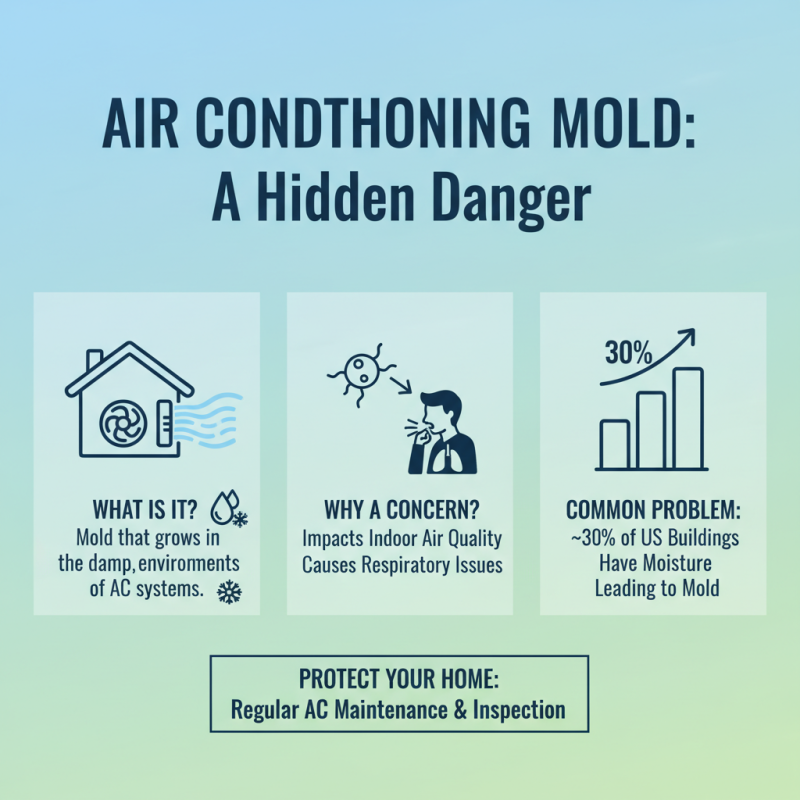
Air Conditioning Mold is a common issue many homeowners face. It thrives in damp, cool environments, making air conditioning units its perfect breeding ground. When the air conditioner runs, it can inadvertently circulate mold spores throughout the home. This can lead to various health problems and unpleasant odors.
Mold growth isn’t just a nuisance; it can cause serious respiratory issues. The spores can trigger allergies and asthma attacks. Many people overlook this danger, assuming that a working air conditioner means a healthy indoor environment. However, neglecting proper maintenance can lead to hidden mold growth.
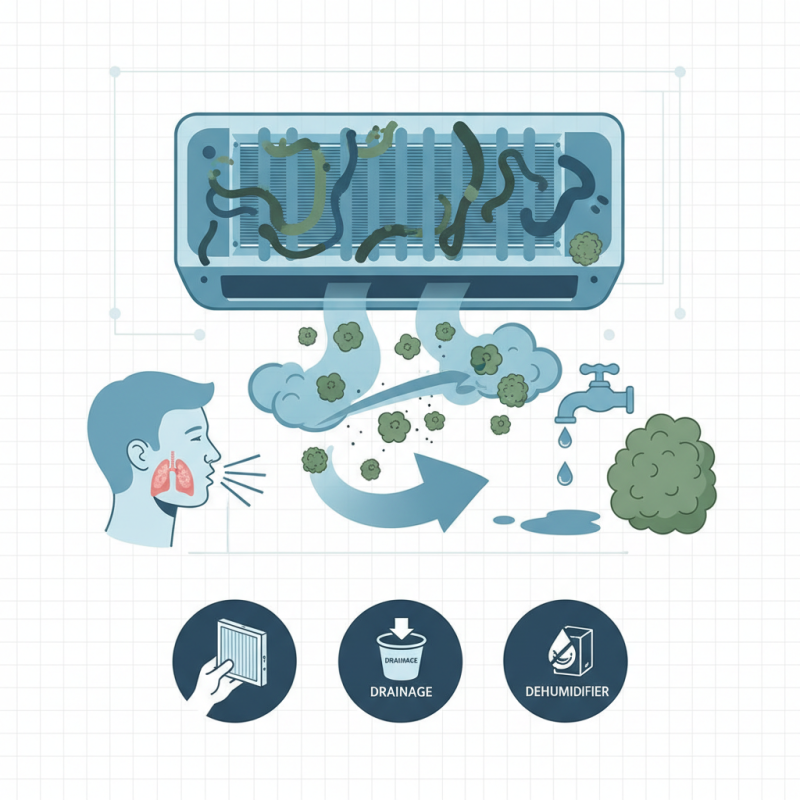
Preventing Air Conditioning Mold requires diligence. Regularly cleaning filters and ensuring proper drainage can help. Homeowners should also consider using a dehumidifier in humid months. Mold prevention is an ongoing effort, but it’s essential for health. Understanding the risks and taking action can make a significant difference.
What is Air Conditioning Mold and Why is it a Concern?
Air conditioning mold is a growing concern in both residential and commercial spaces. This type of mold thrives in the damp, cool environments created by air conditioning systems. According to recent studies, around 30% of buildings in the U.S. face moisture issues that can lead to mold growth. Many homeowners might overlook this risk, not realizing that mold can impact indoor air quality significantly.
When air conditioning units collect moisture, it often leads to mold spores being released into the air. These spores can cause respiratory issues, allergic reactions, and other health problems. The World Health Organization reports that indoor air quality can be 2-5 times worse than outdoor air. Mold exposure is linked to various health risks, making it essential to address this issue head-on.
Preventing air conditioning mold involves regular maintenance. Simple steps like changing filters and cleaning condensate pans can yield significant results. It's important to monitor humidity levels inside the home, ideally keeping them below 60%. Neglecting these practices can lead to costly remediation processes down the line. Small missteps, like ignoring moisture buildup, might lead to bigger headaches. Awareness and proactive measures can create a healthier living environment.
Common Symptoms and Signs of Air Conditioning Mold in Homes
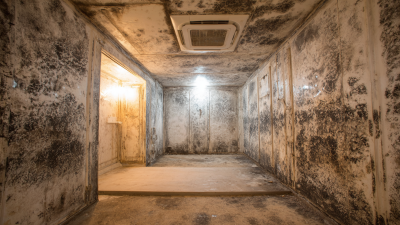
Air conditioning mold can be a hidden menace in homes. It often thrives in damp, dark areas within your AC unit. Understanding the symptoms is crucial for early detection. Common signs include a musty odor, which can permeate your living space. If you notice a persistent smell, it might be time to investigate further.
Visible mold growth is another major indicator. Look out for dark spots around vents or inside the unit. These spots can be black, green, or even white. Allergic reactions may also surface. Sneezing, coughing, or itchy eyes could be your body's response. Pay attention to these symptoms, especially if they worsen indoors. Even pets can exhibit unusual behavior due to mold exposure, often reflecting their discomfort.
If you find any signs of mold, prioritizing cleanup is essential. However, preventing mold growth is better than dealing with its effects. Regular maintenance of your air conditioning system can help. Change filters and ensure proper drainage. Remember, mold prevention is an ongoing task. A few missed steps today could lead to bigger problems tomorrow.
What is Air Conditioning Mold and How to Prevent It? - Common Symptoms and Signs of Air Conditioning Mold in Homes
| Symptom/Sign |
Description |
Prevention Method |
| Foul Odor |
A musty smell often indicates mold presence. |
Regularly clean the air filters and check for leaks. |
| Allergy Symptoms |
Sneeze, cough, or itchy eyes, indicating reactions to mold. |
Maintain low humidity levels using dehumidifiers. |
| Visible Spots |
Black or green spots on AC components or walls. |
Inspect and clean AC units regularly. |
| Excessive Humidity |
High humidity levels contribute to mold growth. |
Use air conditioning systems effectively to control humidity. |
| Water Stains |
Brown stains on ceilings or walls indicating water damage. |
Fix any plumbing leaks or drainage issues promptly. |
The Causes of Mold Growth in Air Conditioning Systems
Air conditioning systems can become breeding grounds for mold if not properly maintained. High humidity levels are a major factor. When warm air flows over cold coils, condensation occurs. This wet environment creates the perfect conditions for mold to thrive. Mold spores can circulate throughout your home, leading to health issues.
Another significant cause is poor filtration. Dust and debris can accumulate in the system, allowing mold to feed on organic materials. If air filters are not changed regularly, this buildup becomes a serious problem. Stagnant water in drip pans also contributes to mold growth. Regular cleaning is often overlooked.
Preventing mold is crucial. Use a dehumidifier to maintain optimal humidity levels. Regularly check and replace air filters to ensure proper airflow. Schedule routine maintenance for your air conditioning system. These steps may seem simple, but they can drastically reduce mold risk. Ignoring them could lead to larger headaches down the line.
Effective Prevention Techniques for Air Conditioning Mold
Air conditioning mold is a common concern in many households. It can thrive in the damp, cool environments of HVAC systems. Effective prevention techniques are essential to reduce health risks and maintain indoor air quality.
One crucial method is regular maintenance. Cleaning filters and coils can hinder mold growth. According to the Environmental Protection Agency (EPA), maintaining humidity levels between 30% and 50% can significantly decrease mold risks.
Tips: Check your air conditioner once a month. Remove any visible dust and debris. Ensure the unit is draining properly to prevent water accumulation.
Another effective prevention technique is using a dehumidifier. It helps control moisture levels in the air. The CDC states that controlling humidity can limit mold spores in indoor spaces. Consider evaluating the placement of your air conditioning system. If it's in a dark, moist area, it may need relocation.
Tips: Invest in a hygrometer to monitor humidity levels. If the levels exceed 50%, take action immediately. This quick check can save you from larger problems later on.
Awareness and adaptation are key. Noticing changes in your air quality may help you identify issues early. Mold can be persistent, so remaining vigilant is essential in keeping your home safe and comfortable.
Best Practices for Regular Maintenance to Avoid Mold Issues
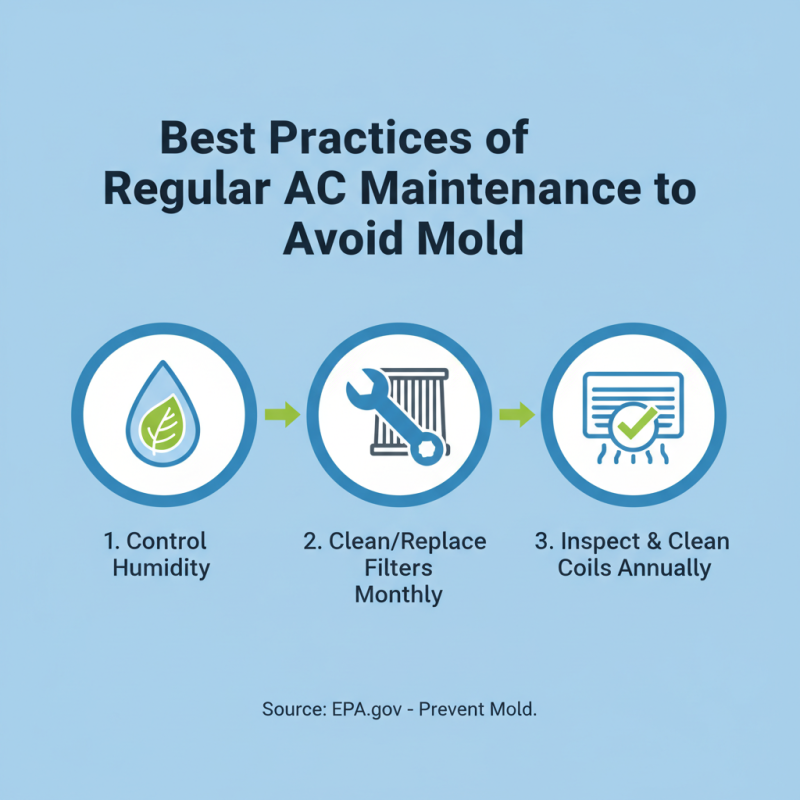
Mold in air conditioning systems is a common problem. Regular maintenance is crucial for preventing this issue. According to the Environmental Protection Agency (EPA), mold can thrive in moist environments, making air conditioners a suitable breeding ground if not maintained properly.
Cleaning or replacing filters every month is essential. This simple task can drastically reduce moisture levels. Additionally, drain pans should be inspected regularly to ensure they are not clogged. A clogged drain can lead to water accumulation, increasing the risk of mold growth. Data from a study by ASHRAE indicates that dirty filters can reduce HVAC efficiency by up to 15%.
Regular inspections of ductwork also help in preventing mold. Dust and debris can accumulate here, creating a perfect haven for mold spores. Some recent reports suggest that 30% of indoor air quality issues stem from mold in HVAC systems. It's vital to be proactive. Regular checks are not just about efficiency; they are about health. A lack of maintenance can lead to mold growth that might require costly remediation. Therefore, being diligent is key.