Advantages Of Stacked Molds For Efficient Production?
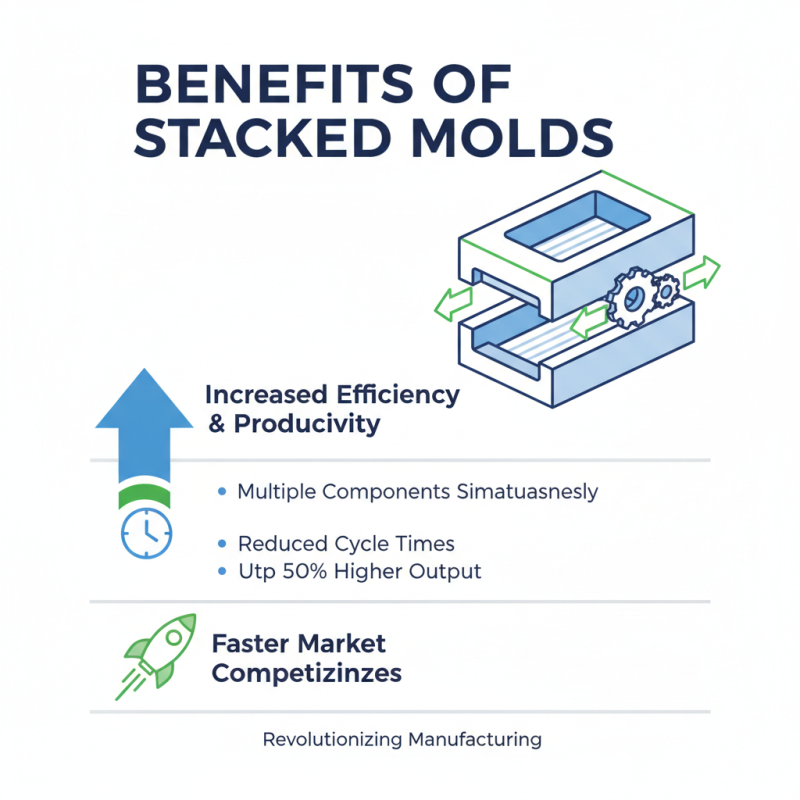
In today’s fast-paced manufacturing environment, efficiency is crucial. The "Advantages Of Stacked Molds" lie in their ability to enhance production rates significantly. Stacked molds allow for multiple parts to be created simultaneously. This feature can reduce cycle times and increase output, especially in high-demand industries.
Industries are embracing this technology. However, it’s essential to consider potential challenges. Misalignment during the stacking process can lead to defects. Maintaining quality control becomes more complex. Businesses must balance these risks against the benefits of increased production.
Despite some drawbacks, the advantages are compelling. Companies that implement stacked molds can experience remarkable improvements in profitability. As global competition intensifies, leveraging stacked molds might be a turning point for many manufacturers. Exploring this topic reveals not just advancements, but also a pathway for innovation and growth.
Benefits of Stacked Molds in Manufacturing Processes
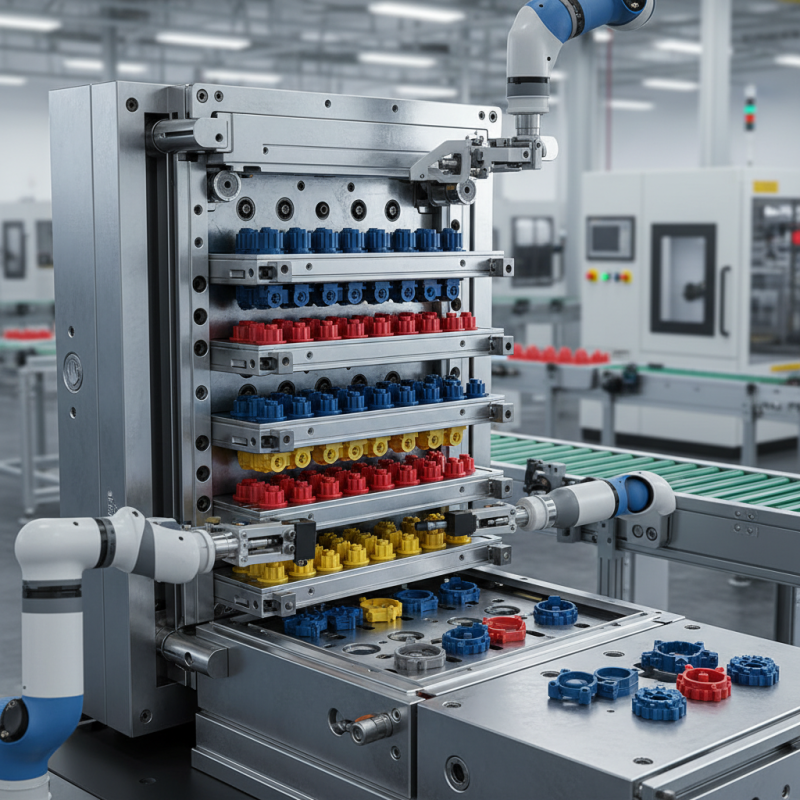
Stacked molds are revolutionizing manufacturing processes by increasing efficiency and productivity. These molds enable multiple components to be produced simultaneously, significantly reducing cycle times. According to industry reports, utilizing stacked molds can increase output by up to 50%. This is crucial for high-demand products, where speed can enhance market competitiveness.
One of the key benefits of stacked molds is their ability to minimize material wastage. By optimizing space and resources, manufacturers can achieve higher yield rates. A study indicates that facilities using stacked molds have reported a 30% reduction in scrap production. This not only saves costs but also aligns with sustainable manufacturing goals.
Tip: Regular maintenance of stacked molds is essential. Dirt or damage can reduce their efficiency. Keep molds clean and check for wear regularly.
Additionally, stacked molds can help reduce labor costs. With automation, fewer workers are needed to manage the production line, which addresses labor shortages in many regions. However, it’s important to ensure that operators are well-trained. Neglecting training can lead to inefficiencies and quality control issues.
Tip: Invest in staff training. A knowledgeable team can significantly improve output quality.
Enhanced Production Efficiency Through Stacked Molds
Stacked molds offer significant advantages for production efficiency in various industries. By utilizing multiple cavities within a single mold, manufacturers can produce several parts simultaneously, reducing cycle times. This process maximizes output and minimizes machine downtime, yielding a better return on investment. Each cycle can create more products compared to traditional single-cavity molds, making the process faster and more economically viable.
However, implementing stacked molds is not without its challenges. The complexity of designing these molds can lead to potential errors. Precision is key, as any slight misalignment can affect the final product's quality. Additionally, maintenance of stacked molds can be more demanding than single-cavity types. Regular inspections are essential to ensure consistency and identify any wear or damage early, which can save time and costs in the long run.
Overall, while stacked molds present a compelling solution for enhancing production efficiency, they require careful consideration. Manufacturers must weigh the benefits against the potential for complications. A thoughtful approach to design and maintenance can help mitigate these issues, leading to successful outcomes in production lines.
Advantages Of Stacked Molds For Efficient Production
| Advantage |
Description |
Impact on Production |
Cost Efficiency |
| Increased Output |
Allows for multiple parts to be produced simultaneously. |
Higher production rates per cycle. |
Lower cost per unit due to bulk production. |
| Reduced Cycle Time |
Shorter production cycles lead to faster turnaround. |
Decreased time from design to market. |
Minimized operational costs during production. |
| Material Efficiency |
Optimized material use through design adaptation. |
Reduces waste during manufacturing. |
Lower material costs contribute to overall savings. |
| Versatility |
Ability to produce various parts with one mold setup. |
Flexibility in production lines. |
Reduces cost of tooling and setup. |
| Improved Quality Control |
Simultaneous production leads to consistent quality. |
Minimizes defects and reworks. |
Increases profitability by reducing waste. |
Cost Savings Associated with Stacked Molding Techniques
Stacked molding techniques are gaining attention for their potential cost savings in production. By utilizing multiple cavities within a single mold, manufacturers can produce more parts simultaneously. This increases output and reduces the cycle time needed for each part. Consequently, production lines can operate more efficiently, which is crucial in today’s competitive market.
Reducing material waste is another advantage of stacked molds. Manufacturers can optimize the use of raw materials, minimizing excess and trimming costs. However, achieving this efficiency requires precise engineering and design. Miscalculations can lead to defects, which may offset any initial savings. Companies must strike a balance between innovation and practicality.
Labor savings also come into play. With stacked molding, fewer operators are needed on the line. Yet, the complexity of managing these molds can burden staff unfamiliar with advanced techniques. Training becomes essential to ensure smooth operations, allowing for the benefits of stacked molding to be fully realized. There are challenges, but the prospects of reducing costs make it a noteworthy approach in modern manufacturing.
Improved Product Quality from Stacked Mold Usage
Stacked molds are becoming increasingly popular in various manufacturing sectors. They allow multiple parts to be created simultaneously, which reduces production time significantly. This method doesn’t only enhance efficiency but also leads to improved product quality. With stacked molds, the uniformity of the molded parts tends to increase. This can result in fewer defects and better overall performance of the products.
One major advantage is that consistent pressure is applied during the molding process. This uniform pressure helps to avoid variations that might occur in traditional molding methods. As a result, manufacturers often report less waste and a need for fewer revisions. However, it's crucial to monitor each stage of the production. If not controlled properly, trouble spots may arise that impact final quality.
Tips for maximizing your stacked mold operations include rigorous testing before large-scale production. Frequent checks can catch problems early. Focus on the design of the molds to ensure proper alignment. Consider using advanced materials that can withstand higher pressures and temperatures. This ensures consistent output. Regular maintenance of the molds themselves is also essential. Any wear and tear could lead to quality inconsistencies.
Space Optimization in Manufacturing Facilities with Stacked Molds
Stacked molds offer significant advantages in space optimization within manufacturing facilities. By utilizing vertical rather than horizontal space, companies can substantially increase their production capacity without expanding their footprint. This effective use of vertical storage allows for a higher density of molds to be accommodated on the shop floor. Manufacturers can achieve more with less space, promoting efficiency and reducing overhead costs.
Moreover, implementing stacked molds can lead to a rethink of workflow dynamics. Workers may need to adapt to new processes when handling these molds. This adaptation might cause initial disruptions, as teams learn to navigate the challenges of stacking systems. However, over time, the streamlined processes can lead to faster cycle times and improved productivity. Organizations must invest in training to ensure that staff can effectively manage the complexities of this innovative design.
While stacked molds present a solution for space optimization, they also come with potential drawbacks. For instance, accessing molds stacked at higher levels may pose safety risks. Workers must utilize appropriate equipment to prevent accidents. Additionally, if molds are not properly maintained, the wear and tear might affect production quality. Continuous monitoring of these systems is necessary to maintain reliability and uphold production standards.
Advantages Of Stacked Molds For Efficient Production